
Museums rely on atmosphere—built through layers of light, movement, materiality, ritual, and memory—more than any single artifact or fixture. It is a distinction that separates enduring institutions from temporary displays, a reality that Tiffany Howell, the designer behind Caviar Kaspia Los Angeles, has explored extensively in her work with Night Palm Studio. She views the design process not as a visual exercise, but as a way to create conditions for people to feel something, asking how a space will feel at 7 a.m., 4 p.m., and midnight to ensure the environment supports the human experience rather than distracting from it.
Lighting often serves as the most critical, yet underutilized layer in this atmospheric construction. Will Meyer, a principal at the firm Meyer Davis, believes the strongest cultural destinations begin by listening to an existing story. For Meyer Davis’s work on the Four Seasons Resort Red Sea, that meant looking beyond the architecture to the experience of the setting itself, using the dunes, coral reefs, and mangrove forests to inform every aspect of the interiors. The goal was to create spaces that grow from the character of their surroundings rather than imposing a generic design language upon them.
Related: Anne Hathaway’s Most Notable Properties
The materials chosen for a space reinforce this experience in ways that are often subconscious. At the Jenni Kayne Farmhouse in New York’s Hudson Valley, founder Jenni Kayne considers small gestures, such as lighting a fireplace or opening windows, to shift a guest’s state of mind.
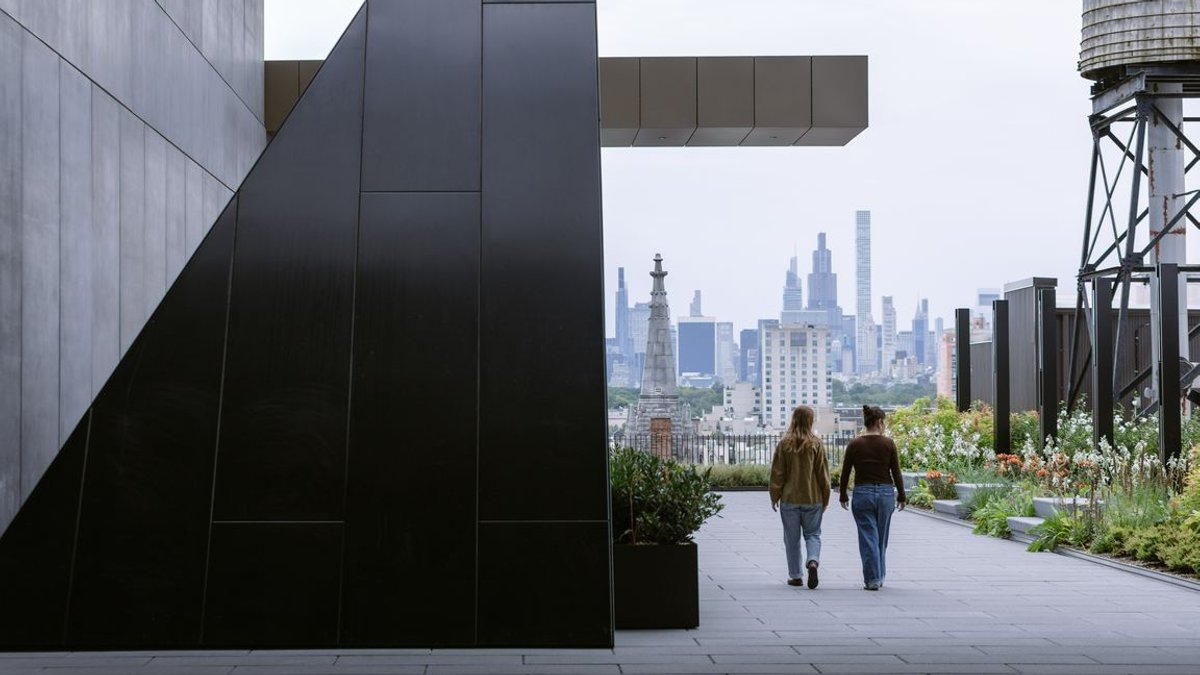
For setting architect Sara Zewde of Studio Zewde, who designed the rooftop at the Studio Museum in Harlem, this philosophy presented a unique challenge. Museums typically demand a discipline from visitors—requiring quiet movement and careful observation—yet Zewde sought to reconnect visitors with their senses through the rooftop’s design. The space offers a counterpoint to the galleries below, using shade, breeze, and seasonal plantings to create a setting for gathering, pause, and reflection. It is a deliberate approach to choreographing movement, acknowledging that how people traverse a setting is integral to how they experience the institution.
Related: Paris Apartment Showcases Stainless Steel Wall Organization
Defining Enduring Spaces
While the specific elements vary, the underlying principle remains consistent across these projects: the relationship between people and place is more important than the individual objects within it. This approach mirrors how cultural institutions have historically adapted to their environments, shifting away from rigid, display-focused designs toward more immersive and responsive experiences. The enduring success of a venue often depends on this invisible architecture, which allows visitors to feel connected to the history and spirit of the location rather than just observing it from a distance.