
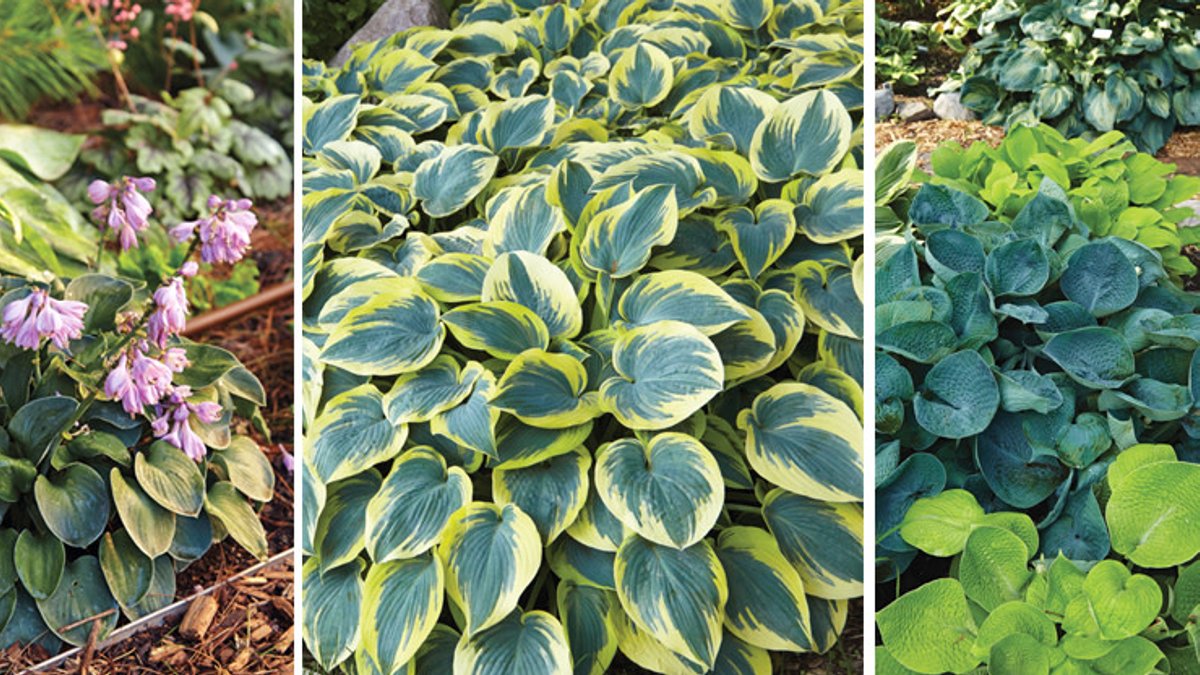
The color blue brings a sense of calm to a garden, offering a cool contrast to bright blooms. While some plants feature true blue flowers, many hostas have foliage that comes close to this hue, making them essential for shaded areas. These plants grow best in partial to full shade and moist soil, though they need protection from hot afternoon sun to maintain their blue coloration.
Understanding the Blue Color
Blue hostas have a waxy coating on their leaves called glaucous bloom. This layer reflects light and makes the leaves appear blue. New growth often has a thicker coating than older leaves, so plants may look bluer in spring than in summer. The coating can fade over time, turning the leaves darker.
For those looking to add these plants to their garden, the American Hosta Society offers a list of award-winning varieties. These selections have proven performance in gardens over time, providing a reliable guide for gardeners.
Top Varieties for Shade Gardens
The hosta ‘Elegans’ has been a garden favorite since its introduction in 1905. It features large, rounded leaves that emerge blue-gray in spring and turn smoky as the season progresses. By the time frost arrives, the leaves are dark green. This slow-spreading plant can eventually fill a space 4 feet or larger, making it suitable for mass plantings.
With a height of 24 to 36 inches, ‘Elegans’ works well at the back of a shady border. It pairs nicely with old-fashioned bleeding heart or tulips, filling in the space left by these plants as their foliage fades in summer. It also grows well as a low-maintenance ground cover in a quiet corner of the yard.
Another option is ‘Abiqua Drinking Gourd,’ which gets its name from its cupped leaves that hold water. These thick, seersuckered leaves resist slugs better than many other varieties. The plant reaches 18 to 24 inches tall and spreads 36 to 48 inches wide, making it an eye-catching specimen.
Because of its unique texture, this hosta looks best as a single focal point near an entryway or in a large container. Surrounding it with Hakonechloa grass provides a striking contrast with its spiky chartreuse foliage. ‘Rozanne’ perennial geranium also works well as a companion, offering violet-blue flowers that turn red in the fall.
‘Krossa Regal’ has a vase-shaped habit and lavender flower scapes. The leaves are wavy and show deep veins, with a blue-green color that darkens as the summer heat rises. Gardeners often plant this hosta in the back of a border with smaller variegated varieties to highlight its size and texture.
For smaller spaces, ‘Blue Mouse Ears’ offers a compact option. Growing just 6 to 8 inches tall, this variety has perfectly rounded, rubbery leaves that are often unappealing to slugs. Its petite size makes it ideal for the front of a border or for containers, where its lavender bell-shaped flowers can be enjoyed up close.
Hosta Selection Guide and Sweepstakes
‘Skylight’ is a hosta variety. The word “halcyon” signifies calm, peaceful happiness. Its frosty blue-green foliage is cool and serene. The spear-shaped leaves are ribbed, hold their color long into the summer and are relatively slug resistant. Hummingbirds like the lavender flowers that appear in summer as well.
More Blue Foliage Choices
‘Blue Perfection’ is a hosta variety that contains H. plantaginea in its family tree, resulting in light lavender blooms. It keeps producing new leaves throughout the season, ensuring the blue color remains visible even during hot weather.