
They found a dead bumblebee in a small water reservoir, known as an “ant well,” which was intended to keep ants away from a hummingbird feeder.
The writer had been using the ant well for years, but it wasn’t until the bee’s death that they realized the need for a safety ladder in the feeder. They now use sticks as ladders in every water source, including the hummingbird feeder, to prevent similar incidents. Hummingbirds rely on sugar-water, especially during migration, and a clean feeder is essential to avoid mold.
Providing water for wildlife is essential, and simple solutions can make a significant difference. These measures include piling stones in birdbaths, angling sticks in ponds, and covering water barrels with netting.
Creating a Safe Water Feature
To create a wildlife-safe water feature, it’s essential to consider the needs of various creatures. A writer who has spent years tweaking their water features to prevent accidents has found that simple solutions, such as adding a short stick to the ant well, can save lives. This stick provides a safe escape route for bees and other insects that may fall into the water.
In addition to traditional water features, some plants can provide a natural source of water for wildlife. Plants with hydathodes, one-way nozzles that release excess water, can create a safe and reliable source of water for creatures like fireflies. This process, known as guttation, occurs at night and can be seen in plants like wild violets and columbines.
The Importance of Gutiation
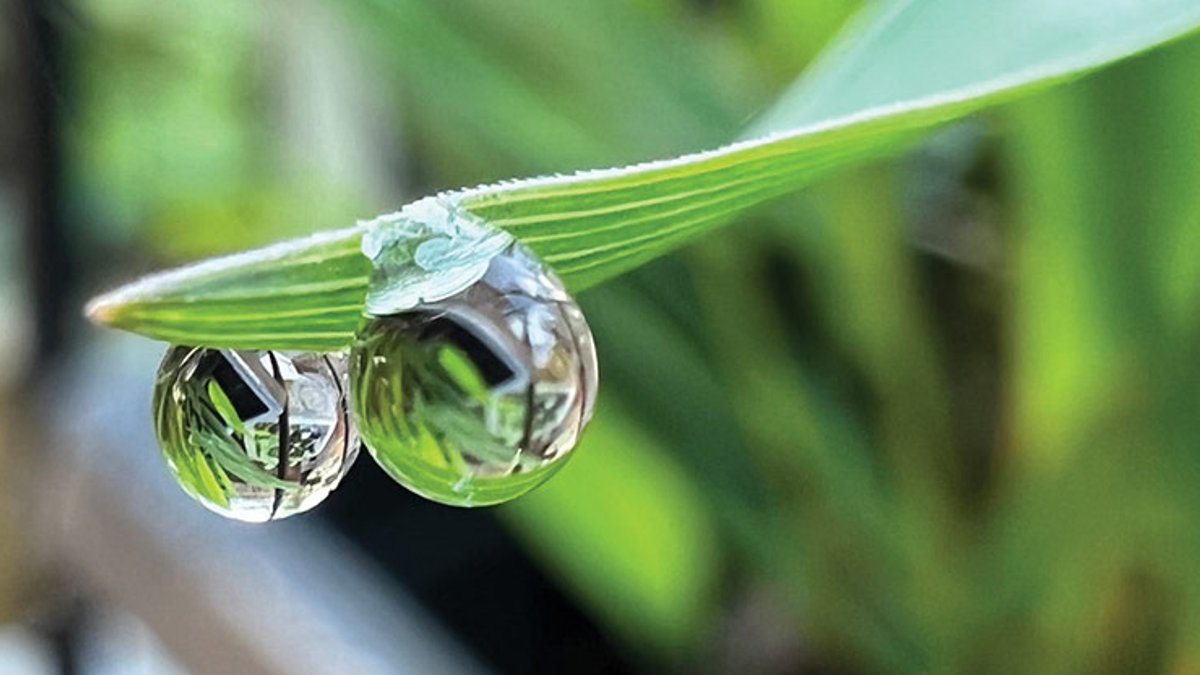
Guttation is a natural process that occurs in some plants, where they release excess water through their leaves. This water can be a valuable source of hydration for creatures like fireflies, which can be seen sipping from the leaves of plants like violets and grass. The writer has observed this phenomenon in their garden and notes that it’s a highlight of their summer mornings.
Supporting Local Wildlife
The writer’s garden, with its various water features and wildlife-friendly habitats, is an example of the power of individual action in supporting local wildlife. By sharing their experiences and knowledge with others, they can inspire a wider community to take action and create a positive impact on the environment. Joanna, the writer, can be found on Instagram @jo_brichetto and at SidewalkNature.com, where she writes about everyday wonders in everyday habitat loss.