
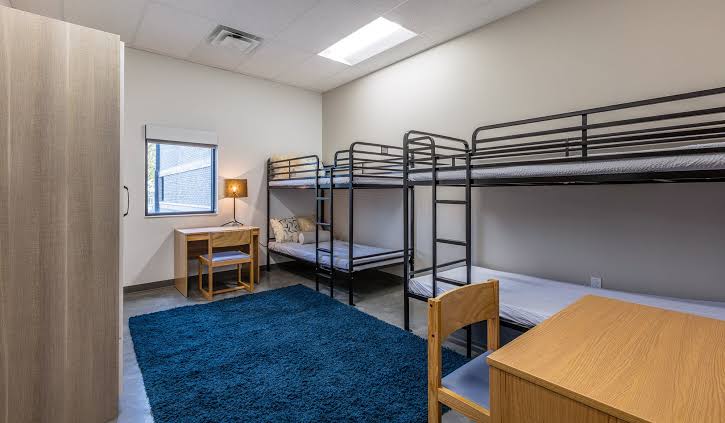
It is a common assumption that furnishings for group living spaces are merely a commodity—that any heavy-duty frame or standard mattress will suffice as long as it fits the floor plan. In reality, creating a functional, durable, and comfortable environment for residents in shared housing requires a much more nuanced approach. Decisions made during the procurement process often dictate the long-term maintenance costs and the general satisfaction of the people using these spaces.
Beyond Initial Costs: Why Durability Matters in High-Traffic Environments
When considering commercial dorm furniture, the temptation to prioritize the lowest upfront price is powerful. However, high-traffic living quarters subject equipment to stresses that residential furniture is rarely designed to handle. Items in these settings are frequently moved, repurposed, or exposed to significant daily wear.
The structural integrity of a piece is typically the first point of failure. Instead of focusing on visual appeal alone, decision-makers should evaluate materials based on their resilience to consistent use. Metal frames with reinforced joints, for instance, often offer a longer lifespan than those relying on simpler fastening methods. Surfaces should be evaluated for their resistance to scratching, moisture, and common cleaning agents, as the ability to sanitize equipment easily is a significant factor in long-term usability.
Choosing options that allow for individual parts to be replaced—rather than requiring the entire unit to be discarded when a single component fails—often leads to meaningful savings over the life of the installation.
Selecting the Best Mattress for Bunk Beds and Shared Living
Finding the best mattress for bunk beds involves balancing safety, hygiene, and support. Because these sleeping surfaces are often elevated, the physical dimensions and weight of the mattress are critical. A mattress that is too thick may reduce the effectiveness of safety rails, creating a potential hazard that should always be a primary consideration during selection.
The material composition of the mattress also impacts its performance in a shared environment. Many facilities prioritize materials that are inherently resistant to allergens and moisture. Firmness levels can also be a point of debate; while preferences vary, a medium-firm surface is often a versatile choice that accommodates a wide range of sleepers.
When evaluating options, ask providers about the following characteristics:
- Encapsulation: Does the mattress cover inhibit the penetration of liquids or pests?
- Ventilation: Does the core design allow for airflow, which is particularly helpful in bunks where mattresses sit on solid or grid platforms?
- Fire resistance: Does the product meet standard safety considerations for institutional or group housing?
The goal is to provide a consistent sleeping experience that remains comfortable even after extended use. Mattresses that lose their support or shape quickly do not just lead to replacement costs; they can also negatively affect the quality of sleep for the residents.
Assessing Quality Through Intentional Inquiry
How can one distinguish between high-quality equipment and products that may struggle under heavy usage? The process of vetting suppliers is as important as the selection of the furniture itself. When reviewing potential options for commercial dorm furniture, transparency from the provider is a positive sign.
Ask the provider to explain the intended use cases for their lines. A supplier who can articulate the engineering behind their frames—such as the gauge of the steel or the nature of the powder-coat finish—demonstrates a commitment to the product’s longevity. Furthermore, consider asking for documentation on how their best mattress for bunk beds options handle consistent pressure and cleaning cycles.
Pay close attention to warranties, but do not rely on them as a substitute for quality. A warranty is only as useful as the company behind it. Evaluate whether the provider has a history of supporting their products or if they typically direct questions toward third-party manufacturers.
Reframing the Approach to Shared Living Spaces
The process of furnishing a living facility is often viewed as a project to be completed and then forgotten. A more useful way of thinking about this is to view it as an ongoing operational component of the building.
When furniture and bedding are selected with the understanding that they are tools for residency, the criteria for success shift. It becomes less about finding the cheapest individual unit and more about creating a cohesive system that minimizes downtime and maximizes the comfort of the residents. By investing time in selecting materials that are easy to maintain, modular in design, and specifically engineered for the rigors of shared housing, those responsible for the space can move away from reactive, constant replacement cycles.
The most effective environments are those that appear clean, intentional, and comfortable, even after years of regular turnover. This state of reliability is rarely accidental; it is the direct result of choosing components that respect both the budget of the organization and the daily experience of the people living there. By focusing on the structural mechanisms and the practical, day-to-day requirements of a group setting, it is possible to build an environment that serves its purpose for a significant duration.