
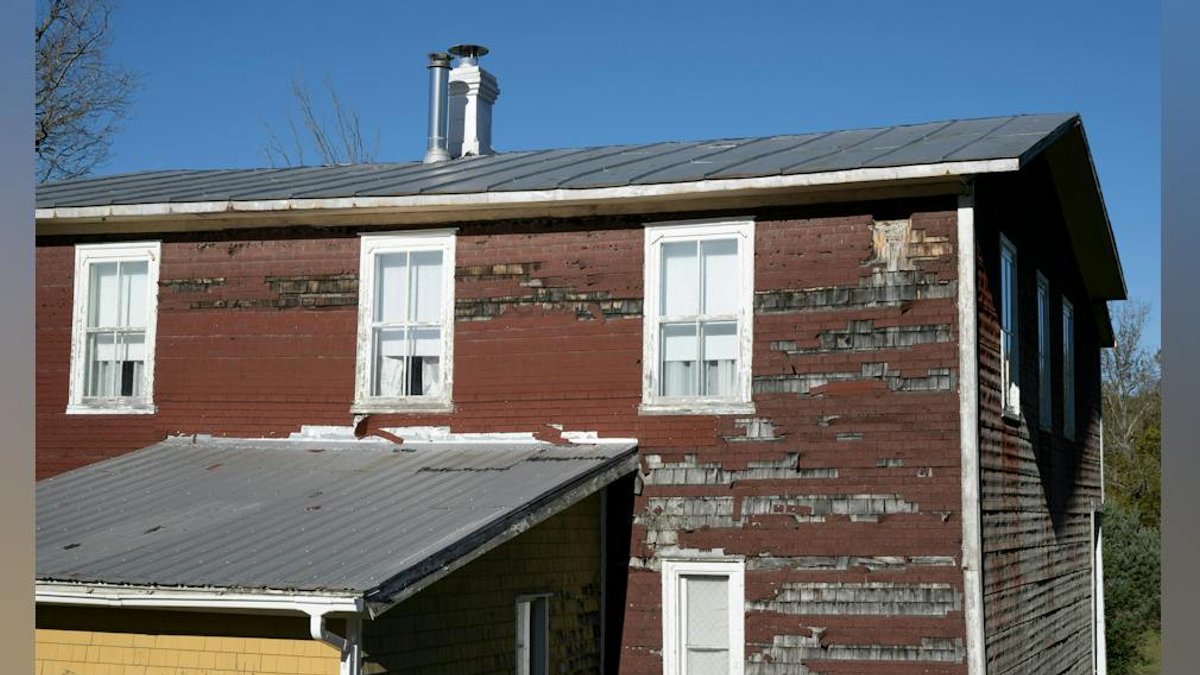
The United States possesses a large stock of older homes that require repairs to meet modern standards. Nearly half of all homes were built before 1980, according to NAHB data, and this aging housing stock presents a significant opportunity for the remodeling sector.
Federal funding for home repairs
Many property owners struggle with high expenses when updating older homes to meet current standards. Data from 2023 revealed that roughly 6.45 million residences were deemed substandard, including 1.65 million in critical disrepair. The bipartisan 21st Century ROAD to Housing Act, which took effect in July, addresses these concerns through the Whole-Home Repairs Act, a provision to help achieve housing affordability nationwide by funding repairs to and modernization projects for existing homes. This initiative seeks to improve housing affordability across the nation by financing essential repairs and upgrades in existing homes.
Read Also: Remodelers see trade show as key to growth and innovation
The Whole-Homes Repairs Act could benefit remodelers more than any other component of the housing legislation. It authorizes the U.S. Department of Housing and Urban Development to create a federal pilot program offering grants to eligible homeowners and loans to small landlords to address necessary repairs, health hazards, accessibility issues, and energy-efficiency concerns. to address necessary repairs, health hazards, accessibility issues, and energy-efficiency concerns. The program is expected to expand renovation opportunities for contractors and encourage homeowners to proceed with long-delayed improvements.
How the program operates
Congress will have to appropriate funding for the program, which will be disbursed to the states and then flow to county and city levels. Individuals will apply directly to their local government for funding to address whole-home repairs, aging-in-place improvements, and habitability issues, among other concerns, and then work with local industry professionals to complete the projects. Homeowners will be eligible for grants if they meet certain income requirements, and small landlords are eligible for potentially forgivable loans if they meet conditions like owning a certain number of affordable rental properties.
Read Also: Why top companies make training work-and why most get it
A local example in Jefferson Parish, La., demonstrates how this mechanism functions. The Owner-Occupied Residential Rehabilitation Program involves participants applying and being selected through a lottery system. The local government then completes a home inspection and creates a scope of work. Local industry professionals bid on the job, and the chosen contractor is paid directly through the program. This structure ensures that renovation work connects directly with local trade professionals.
While the legislation is a significant step, its full effect will take time to materialize. The new funding provides a pathway for addressing housing deficits, but the pace of implementation depends on local administrative capacity. Remodelers may have to educate both their local and state lawmakers about the Whole-Homes Repairs Act and monitor its implementation. The shift toward recognizing the remodeling sector’s role in providing attainable housing marks a meaningful change in federal policy.