
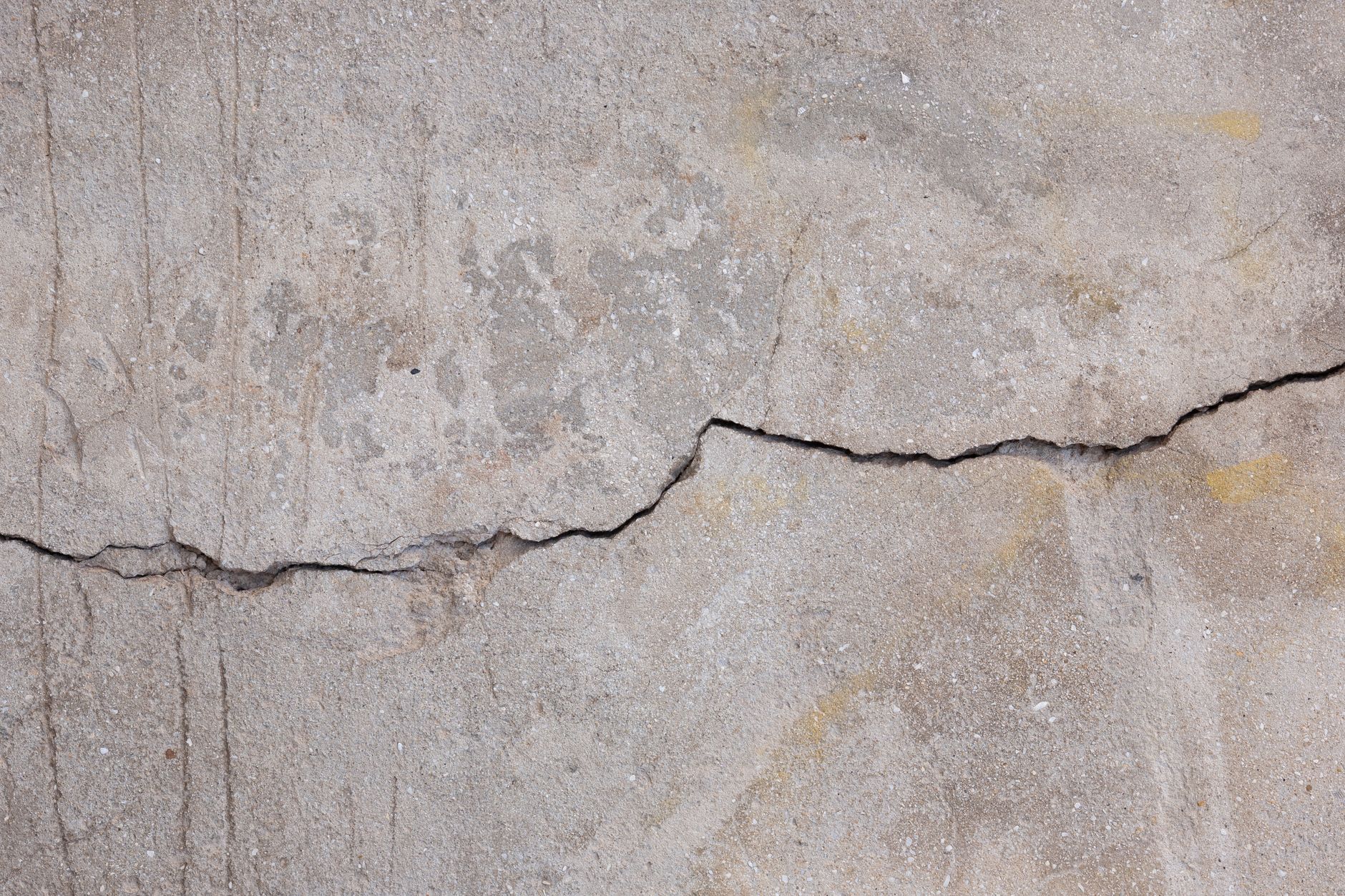
When a foundation shows signs of distress, such as bowing walls in North Dakota, homeowners are often faced with a complex set of choices. Observing a wall that is beginning to curve inward can be a source of significant concern, as it raises questions about the long-term stability of the structure and the best methods for correction. Understanding the nature of these issues and the typical approaches to addressing them is a necessary step for anyone dealing with the unique soil and climate conditions found throughout the region.
Understanding Structural Movement and Foundation Stability
Walls can begin to bow or lean for various reasons, many of which relate to the pressure exerted by the soil surrounding a home. Soil behaves like a fluid in many respects; it expands when saturated with moisture and contracts when dry. This cycle of expansion and contraction creates immense lateral pressure against basement walls. Over time, this force can overcome the structural capacity of the concrete or masonry, leading to bowing, cracking, or inward shifting.
In addition to soil pressure, the settling of the home itself can contribute to these movements. When the ground beneath a foundation does not provide uniform support, different sections of the home may sink at varying rates. This differential settlement can cause the foundation to pull away from its original alignment, placing stress on the walls above. For residents of the area, seasonal changes — including the freezing and thawing cycles typical of the region — often exacerbate these stresses, as frost heave can exert significant upward and lateral force on foundation components.
Approaches to Foundation Remediation
When a wall shows signs of bowing, the goal of any remediation effort is to halt further movement and, where appropriate, stabilize the structure. One approach involves installing structural steel supports. These systems are designed to counteract the inward pressure by bracing the wall from the inside. By distributing the pressure across the floor and the house framing, these supports can prevent further bowing and provide a measure of stability.
Another method often discussed is concrete lifting, a process generally used to address uneven or sinking floor slabs. While this technique is effective for restoring a level surface to a floor that has settled due to voids in the soil, it serves a different purpose than structural wall reinforcement. It is common for homeowners to explore this when they notice that their basement floor is separating from the wall or when internal settlement is contributing to the overall structural stress. Deciding whether to focus on the slab, the wall, or both requires a thorough assessment of how the various parts of the foundation are interacting.
Factors Influencing the Decision-Making Process
Choosing a course of action is rarely straightforward because no two homes experience the same soil environment. Several considerations typically influence the recommendations provided by a professional:
- The severity and pattern of the bowing: A wall that is bowing significantly in the center often requires a different structural intervention than one that is tilting uniformly from the top or bottom.
- The type of construction: Concrete block walls may require different stabilization techniques compared to poured concrete foundations, as they have different load-bearing characteristics and failure modes.
- The nature of the surrounding soil: Some soils are more prone to retaining water or exerting extreme pressure, which may necessitate drainage improvements in addition to structural bracing.
- The presence of external drainage issues: In many cases, addressing the grading around the home or ensuring that roof runoff is directed far away from the foundation can prevent the moisture buildup that drives soil pressure in the first place.
When evaluating these factors, it is common to ask whether a proposed solution addresses the symptom or the underlying cause. While structural reinforcement provides the necessary strength to hold a wall in place, correcting the external water management is often essential to prevent the problem from continuing or worsening.
Aligning Remediation with Long-Term Needs
Before committing to a specific repair strategy, homeowners are typically encouraged to seek an evaluation from a professional who is familiar with the specific geological and climate-related challenges of the area. A comprehensive assessment usually involves more than just a visual inspection of the wall. It may include reviewing the history of water intrusion, checking the slope of the surrounding landscaping, and assessing the condition of the home’s drainage systems.
When speaking with a contractor, consider asking how they determine the scope of the repair. A thorough professional will often explain why they recommend a specific bracing system or whether they believe soil modification or drainage improvements are necessary. They should be able to walk you through the logic behind their proposal, explaining how the selected method will interact with the existing structure and what kind of long-term performance you can expect.
Transparency regarding the repair process is a hallmark of a reliable provider. Whether the project involves reinforcing a wall or performing concrete lifting to address interior settlement, the provider should be able to clearly communicate the goals of the work and the limitations of the intervention.
Taking the time to understand the mechanisms at play is a practical way to approach home maintenance. By focusing on the relationship between soil moisture, structural pressure, and foundation design, you can make an informed choice that aligns with the needs of your home. Rather than rushing into a decision based on fear of the symptoms, prioritize a strategy that offers long-term stability and addresses the environmental factors that are unique to your property. By engaging with knowledgeable professionals and asking the right questions, you can navigate the repair process with confidence, ensuring your home remains a stable and secure environment for the future.