
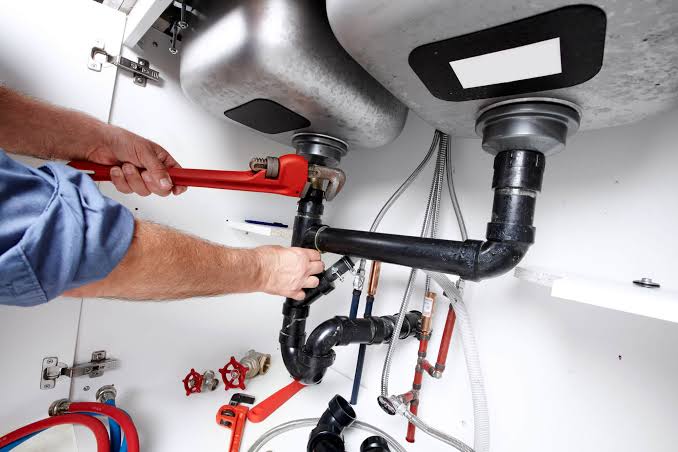
Home maintenance often involves tasks that remain out of sight until something stops working correctly. Plumbing systems are a primary example. Residents in this area frequently encounter challenges related to the age of local housing, the nature of regional water sources, and the typical wear that occurs in residential infrastructure. Understanding how to approach these systems can help homeowners maintain a functional home environment and respond effectively when issues arise.
Common Plumbing Challenges in Local Residences
Many homeowners in this region experience similar patterns of wear within their plumbing systems. Over time, pipes can accumulate materials that restrict water flow, or seals may degrade, leading to small leaks. These issues are often exacerbated by the quality of local water, which may contain minerals that leave deposits inside pipes and fixtures.
Another frequent concern involves water heating systems. Because these units work continuously to maintain water temperature for daily use, the buildup of sediment is a regular occurrence. When sediment accumulates at the base of the tank, it can interfere with the heating element’s efficiency, often leading to slower recovery times or inconsistent temperatures. Ignoring these signs can lead to more significant repairs, so identifying changes in performance early is a helpful practice.
How Professional Plumbing Services Generally Function
When a homeowner engages a drain cleaning company in Eugene, Oregon, the process typically starts with a thorough assessment. Rather than relying on trial-and-error, a professional provider often uses diagnostic tools, such as specialized camera systems, to look inside pipes. This allows the provider to identify exactly where a blockage or obstruction exists, whether it is caused by mineral buildup, invasive roots, or foreign objects.
Once the source of the issue is identified, the provider may use mechanical or pressurized cleaning methods to clear the obstruction. This approach is generally more comprehensive than standard consumer tools, as it aims to restore the internal diameter of the pipe to its near-original state. Similarly, when a hot water heater service in Eugene, Oregon is requested, the process involves inspecting the heating elements, testing pressure relief valves, and flushing the tank to remove accumulated sediment. This systematic approach helps ensure that the entire unit is operating safely and efficiently.
Factors Influencing System Longevity and Performance
Several factors determine how long plumbing components last and how well they perform. Water pressure is a critical variable; if the pressure coming into the home is set too high, it places unnecessary strain on joints, valves, and appliance seals. Many professionals recommend testing the home’s water pressure as a standard preventive measure.
The material of the piping also plays a role in how a system ages. Older homes may contain piping materials that have different expansion and contraction rates, or are more susceptible to corrosion over time. Recognizing the specific characteristics of your home’s plumbing material is helpful when planning for long-term maintenance. Additionally, the habits of the household impact the system significantly. For instance, being mindful of what enters the drain—such as grease, food scraps, or non-flushable materials—can greatly reduce the frequency with which a home requires a drain cleaning company in Eugene, Oregon.
Practical Steps for Maintaining Your Plumbing Infrastructure
Maintaining a reliable plumbing system often involves a mix of proactive habits and professional oversight. For those seeking a hot water heater service in Eugene, Oregon, it is helpful to ask the provider about the typical maintenance schedule for your specific type of water heater, as different models have varying needs for anode rod replacement and sediment flushing.
Beyond professional services, homeowners can adopt several helpful practices:
- Regularly inspect areas under sinks and around toilets for signs of moisture or water staining.
- Learn the location of the main water shut-off valve so that it can be accessed quickly in the event of a significant leak.
- Ask your provider about how to identify signs that a pipe or fixture is nearing the end of its useful life.
- Prioritize routine inspections for older systems, as these are more likely to require minor adjustments to prevent larger problems.
When selecting a service provider, focus on clear communication and transparency. A reliable company will be happy to explain their assessment of your plumbing system and discuss why a particular repair or cleaning method is recommended for your specific situation. They should also be able to provide guidance on how to monitor your system moving forward, empowering you to spot potential issues before they escalate.
Taking a measured, proactive approach to home maintenance typically results in a more stable and predictable environment. By understanding the general mechanisms of your plumbing system and knowing when to ask for professional assistance, you can address concerns efficiently and help ensure that your home’s infrastructure remains in good working order. Establishing a relationship with a trusted professional can provide peace of mind and simplify the process of managing both routine care and unexpected repairs.