
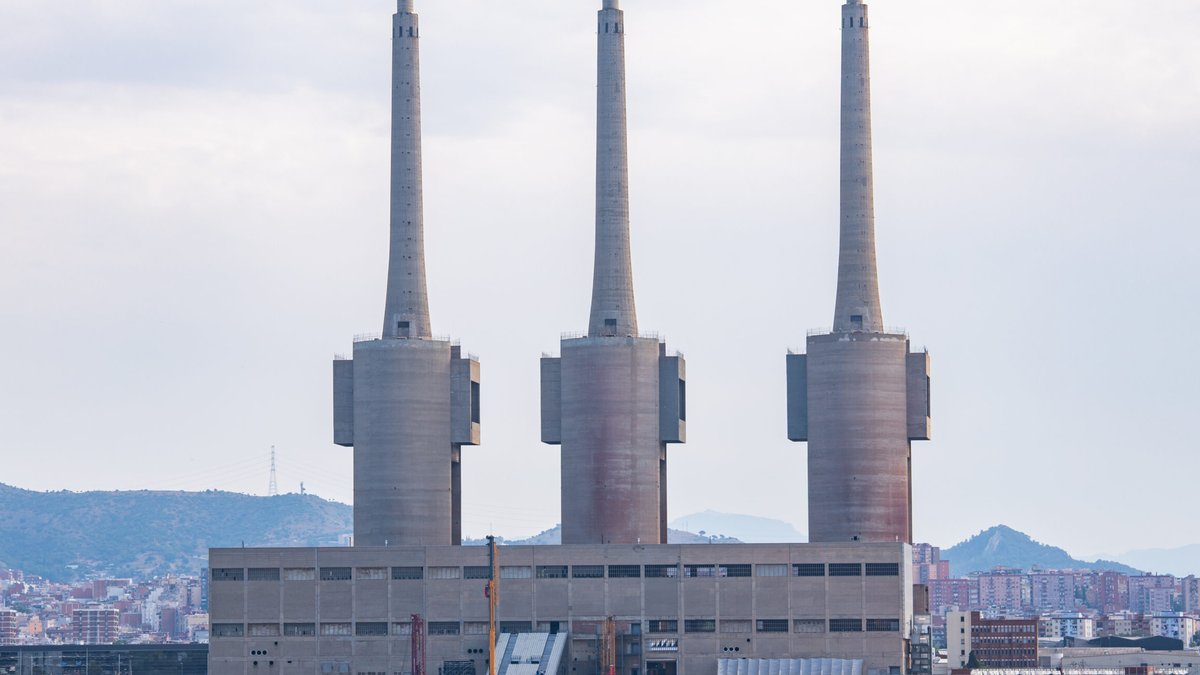
The World Congress in Barcelona gathered roughly 10,000 architects, students and enthusiasts for a three‑day program that emphasized debate over consensus, tackling ecology, technology, craft and the social role of design.
Program built on tension, not unanimity
Every three years the International Union of Architects convenes a global forum on the profession’s most pressing issues. The 2026 edition, hosted in a city where Gaudí’s flamboyant structures intersect with Ildefons Cerdà’s orderly grid, focused on overlapping geopolitical conflicts, a worldwide housing shortage, a worsening climate emergency and the rise of artificial intelligence. Six curators—Pau Bajet, Mariona Benedito, Maria Giramé, Tomeu Ramis, Pau Sarquella and Carmen Torres—spent three years shaping an agenda that resisted simple solutions, preferring productive tension.
One of the most talked‑about strands, titled “More‑than‑Human,” urged participants to look beyond the human singularity in architectural thinking. Andrés Jaque, known for sustainable projects recognized by UNESCO, played a sonic simulation of deep‑earth drilling to expose the fossil‑fuel energy tied to glass production. Petra Blaisse, whose work combines textiles, interiors and settings, displayed richly illustrated books on soils and organisms from her sites. She recalled past attempts to keep wilderness out of daily life because of fear. Now, more and more in Western European culture, people invite wilderness to join buildings, to clothe structures and to act freely. She asked whether society is prepared for that shift.
Related: Milan Design Week Unveils Seven Sustainable Innovations
Historian Beatriz Colomina delivered a lecture on how sterile, bacteria‑free buildings have reshaped human health, while the satellite exhibition at Les Tres Xemeneies—an abandoned coal plant dubbed the “workers’ Sagrada Família”—showcased Monusediment, a towering assembly of sediments from the Ebro Delta meant to symbolize multispecies coexistence.
AI, analog methods and material improvisation
Mario Carpo of University College London warned against AI hype, insisting that generative systems are “imitation machines” that cannot truly design. Areti Markopoulou of the Institute for Advanced Architecture of Catalonia presented a more applied view, describing AI tools as data‑gathering instruments that can enhance community engagement in participatory design. The discussion highlighted a split between using algorithmic assistance and preserving the architect’s tactile core.
Reflecting on the broader context, the congress resembled earlier gatherings where the profession faced seismic shifts, such as the post‑war rebuilding efforts in Lausanne 1948. Those events also sparked intense debate, suggesting that architecture often advances through contested ideas rather than unified doctrines.
Related: Cheap earplugs beat pricier mower noise guards
Jan De Vylder closed the final plenary with a sobering reminder: “To me, economy is ecology. What if there are no means, and one wants to realize a building? Is it only guided by the political talks of today?” The comment highlighted the persistent gap between aspirational design and financial reality.
In keeping with Barcelona’s spirit of celebration, the installation Public Pleasures by Care—created by Anna Puigjaner of MAIO and Pol Esteve Castelló—reimagined a techno dance floor for aging and non‑normative bodies. Overhead fans, chairs, beds, support straps and a sound amplifier for the hard of hearing invited participants from the margins to the center of the experience.
“A little of everything—that’s what architecture is about.”