
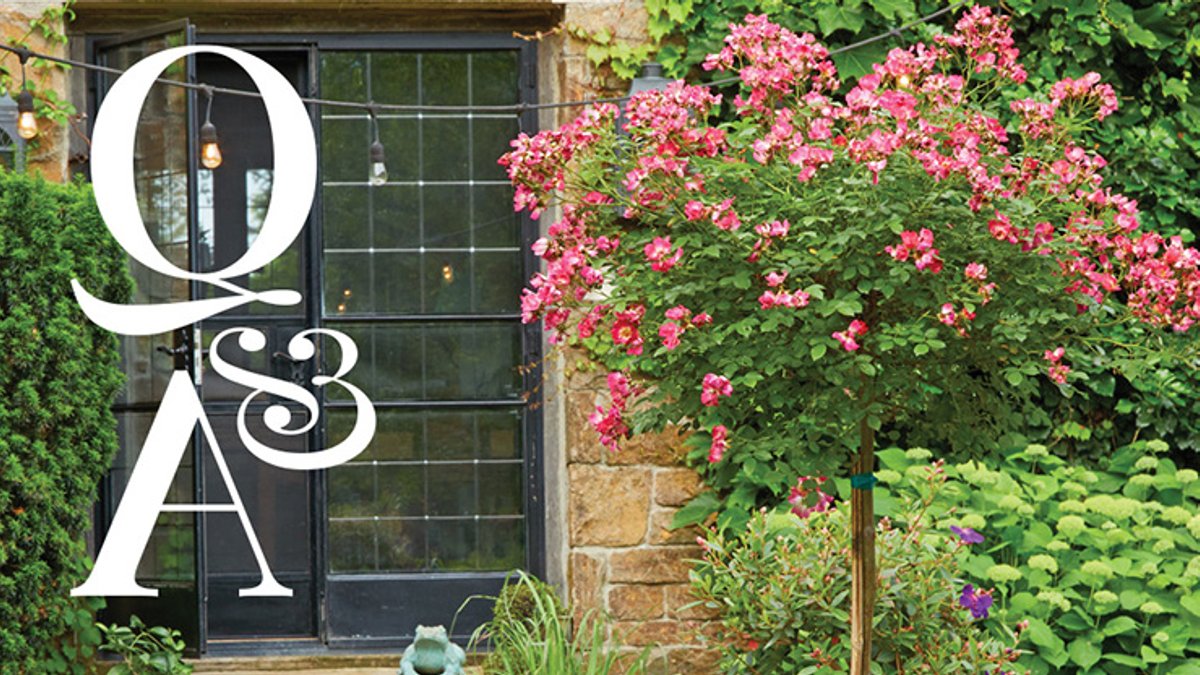
A container-grown tree rose can endure severe winters using two proven techniques. The primary concern is shielding the two graft points—the junction where the stem meets the rootstock and the area where the blooming section connects. Without protection, these vulnerable spots can suffer permanent damage when temperatures drop below 0°F.
The first approach requires relocating the potted rose indoors after multiple hard freezes. A garage or shed serves as suitable storage, but the temperature must remain steady between 30°F and 45°F to prevent the graft from breaking dormancy prematurely. Watering should be kept to a minimum, with soil staying barely damp, and fertilization must be avoided entirely. If the storage area is too cold or experiences temperature swings, wrapping the plant and container in layers of blankets provides additional insulation. Once new growth appears and frost risks diminish, the rose can be moved back outside. Fertilizer is only reintroduced after visible regrowth has begun.
When indoor storage is not feasible, the second method involves burying the dormant plant in the garden. After the rose is dormant, carefully remove the plant from the container and bury it in another part of your garden. Once you’ve covered it, lightly water. Lift the rose in early spring and replant it about the time you see other roses sprouting.
Daffodil care in fall focuses on lifting and dividing bulbs once their foliage has withered. While this can be done at almost any time, late summer or fall is the best period for replanting. Gardeners begin by locating the bulbs, which may require digging through compacted soil. A soaking rain beforehand helps loosen the earth. Once unearthed, excess soil is brushed away, and larger bulbs are gently twisted off, leaving smaller offsets attached to the mother bulb to encourage new clumps. The divided bulbs should be replanted immediately at their original depth, with a sprinkle of bulb fertilizer to support early root development.
For households without regular trash collection, burying weed seeds and diseased plants is a common disposal method. A trench at least 2 feet deep in an undisturbed corner of the property handles most organic debris. At this depth, weed seeds lose viability and decompose over time, while foliar diseases like black spot or powdery mildew cannot survive without a host. However, plants infected with root diseases such as club root must not be buried; burning or hauling them away is the safer option. Woody branches can be placed in the trench but may take years to break down.