
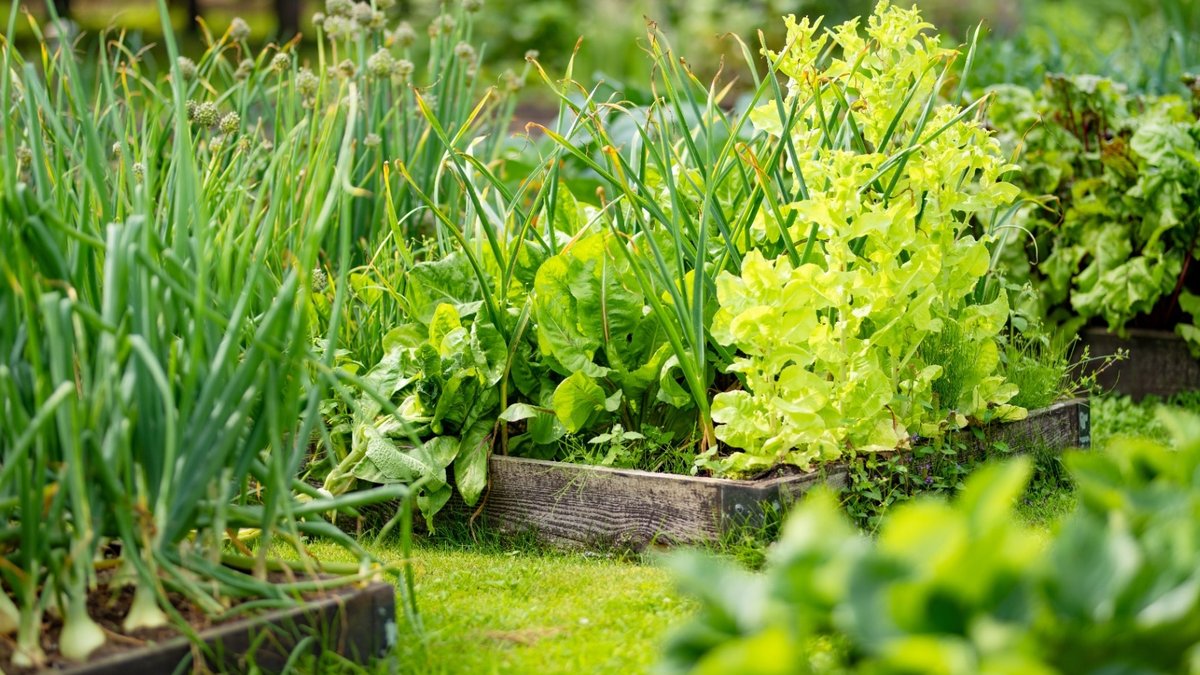
A kitchen garden can thrive even without full sun exposure. While vegetables such as tomatoes and zucchini require direct sunlight, many other crops flourish with partial shade—typically receiving between 3 to 6 hours of sunlight each day, with the remainder under shade or dappled light. This arrangement can prove advantageous, protecting plants from the harshest afternoon heat while still ensuring strong yields.
Spinach excels in shaded conditions, offering a rich source of vitamins K, A, and C. It prefers cooler temperatures and avoids the stress caused by intense midday sun. Planting spinach in an area with afternoon shade extends its growing period, and its hardiness makes it a dependable choice. The variety Spinach ‘Matador’ stands out for its deep, crinkled leaves and resistance to bolting, even during dry conditions. By harvesting outer leaves as needed, the plant remains productive for weeks, and staggered sowings ensure a continuous harvest.
Swiss chard is another reliable option for shaded gardens, with varieties like ‘Bright Lights’ and ‘Fordhook Giant’ providing both edible stems and leaves. It thrives in fertile, moisture-retentive soil, and regular harvesting of outer leaves encourages prolonged growth. Its adaptability makes it a staple for gardens with limited sunlight, delivering both flavor and visual appeal.
Radishes grow quickly and adapt well to partial shade, producing crisp roots even when sunlight is limited. Afternoon shade helps prevent bolting, particularly in hot weather, while their compact size makes them ideal for small spaces. Fast-maturing varieties like ‘Cherry Belle’ suit last-minute plantings, and successive sowings provide a steady supply. Their sharp flavor adds texture to salads, and their rapid growth maximizes garden productivity.
Lettuce thrives in summer shade
Lettuce benefits from shade, especially during summer months, where it prevents bolting and maintains tender leaves. Loose-leaf varieties simplify harvesting, allowing for continuous picking throughout the season. Bolt-resistant types perform best in warmer conditions, and keeping the soil consistently moist ensures strong germination. Planting in rows or containers simplifies maintenance, while regular harvesting extends the crop’s productivity.
Beetroot tolerates partial shade, though roots may develop more slowly without full sun exposure. Harvesting young, tender roots compensates for this, and the foliage can be used like spinach. Direct sowing into well-drained, fertile soil and consistent watering during dry periods are essential. Proper thinning of seedlings ensures robust root growth, while the deep purple hue and earthy taste make it a garden favorite.
Carrots grown in partial shade take longer to mature but still produce quality roots if the soil remains loose and free of stones. Shorter varieties, such as ‘Amsterdam Forcing’ or ‘Nantes’, suit shaded areas best. Transplanting seedlings should be avoided, as disturbing the roots can hinder development. Maintaining even moisture during the early stages prevents woody textures, and early harvesting yields tender roots even with limited light.
Related Post: Proper Head Flashing Prevents Water Damage
Peas and kale extend harvest seasons
Peas are another shade-tolerant crop, particularly effective during peak summer heat. They require sturdy supports like trellises to stay upright and benefit from regular watering, especially during flowering. Continuous harvesting encourages further pod production, making them a reliable addition to summer dishes.
Kale adapts well to limited sunlight, extending its growing season well into winter. Planting in fertile soil with adequate spacing prevents overcrowding, and harvesting outer leaves preserves the plant’s center for ongoing growth. Its hardy nature makes it a low-maintenance choice for shaded gardens, providing both nutrition and texture.
Sorrel, an underrated herb with a bright, lemony flavor, thrives in shade and is perennial, returning year after year once established. Young leaves offer the best taste, and removing flower stems stimulates new foliage. Its versatility in salads and seafood dishes makes it a valuable inclusion for gardeners working with limited sunlight.
Spring onions efficiently fill small garden gaps, tolerating shade while delivering mild, versatile greens. Direct sowing in short rows allows for staggered harvests, and their quick maturation—typically within six to eight weeks—makes them ideal for filling spaces left by earlier crops. Their mild flavor complements dishes like lettuce boats with radishes and sesame oil, adding freshness to summer meals.
Soil and water boost shade-garden yields
To maximize yields in partial shade, enriching the soil with organic matter is essential. Shade-grown crops develop more slowly, so reducing stress through proper nutrition and watering, particularly during dry spells, keeps them productive. A two-gallon watering can ensures deep, thorough hydration, while sharp harvesting tools make the process efficient. The right approach turns limited sunlight into a reliable source of fresh, homegrown produce.
For crops like carrots and beetroot, soil texture is the most critical factor in partial shade. Loose, stone-free earth is necessary for carrots, particularly shorter varieties like ‘Amsterdam Forcing’ or ‘Nantes’, which mature more slowly but still produce straight, tender roots under ideal conditions. Beetroot benefits from well-drained yet fertile soil, with early thinning of seedlings preventing overcrowding and promoting larger roots. Direct sowing rather than transplanting is recommended, as disturbing roots, even slightly, can lead to stunted growth or misshapen produce.
Peas require additional support to thrive in shade, with trellises or netting essential for keeping vines upright, especially during flowering. Regular watering during flowering is critical, as the plants direct energy toward pod development. Harvesting peas promptly encourages further production, ensuring a prolonged supply for summer recipes.