
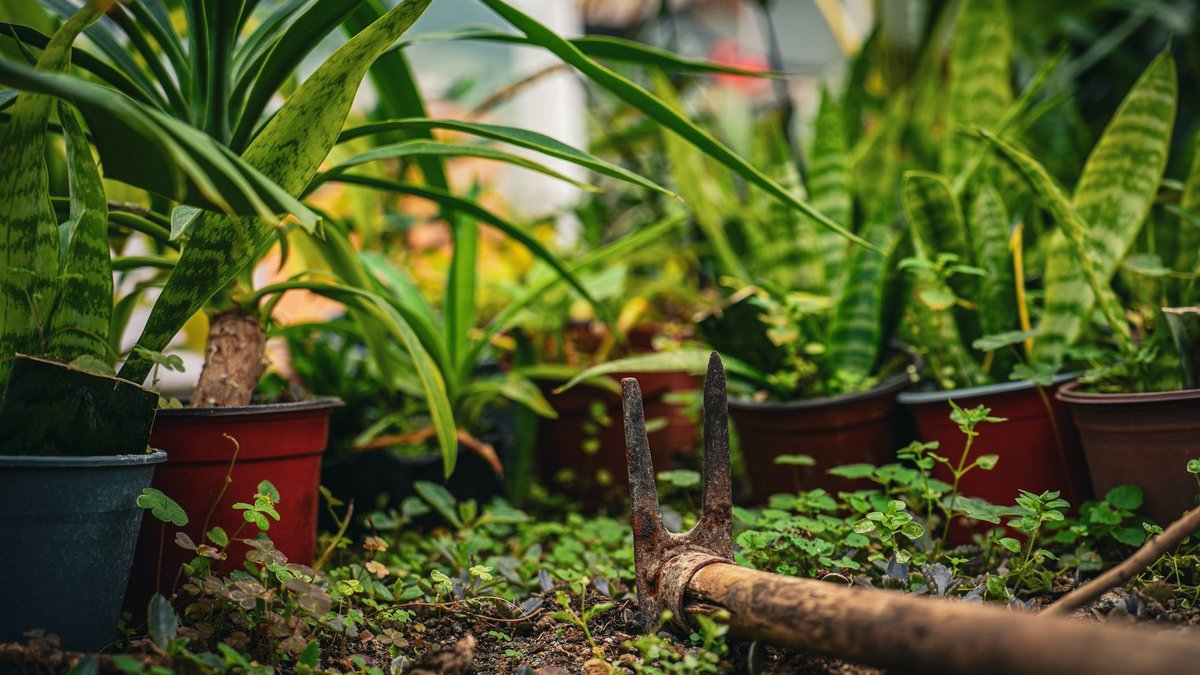
A border fork is a practical tool for breaking up heavy, rocky soil without the strain of a full-size garden fork. Unlike larger, heavier forks, these smaller, lighter models are designed for daily use, making them ideal for tight spaces and extended digging sessions. However, not all border forks perform equally—some excel at piercing compacted ground, while others are better suited for turning soil into loose tilth. To determine the best options, nine models were tested in a rocky, heavy flower bed, where they dug through manure and prepared the soil for planting.
The effectiveness of a border fork begins with its construction. Carbon steel forks, forged from a single piece of metal, handle heavy soils better because their weight helps drive the tines deeper. Stainless steel models, in contrast, are lighter and sharper, with surfaces that resist soil buildup. However, their welded construction—where the head meets the socket—can be a weak point if the socket is too short. A longer socket distributes strain more evenly, reducing the risk of the tool snapping at the junction between the head and handle.
Using a border fork involves a three-step process: driving the tines into the ground, lifting and turning the soil, and breaking up clumps. Some forks handle one stage better than others. For example, carbon steel tines are better at piercing dense or stony soil, while stainless steel tines glide through lighter, looser earth. The handle shape also plays a role, Y-shaped handles provide the most grip, while T-handles offer more flexibility in hand positioning.
Top Pick: Burgon & Ball’s All-Purpose Design
During testing, the Burgon & Ball Border Y-shaped Fork emerged as the most versatile model. Its mirrored stainless steel tines shed soil effortlessly, and the chunky digging head delivers enough weight to penetrate heavy ground without straining the wrists. The flush rivets and generous Y-handle enhance comfort for repeated use, while the long socket adds durability. This tool could handle everything from breaking up compacted soil to transplanting without feeling cumbersome.
The Crocus by De Wit fork, with its hand-forged carbon steel head, was another strong performer. Its narrow T-handle and wide, slightly curved tines make it excellent for scooping soil and transplanting. The long shaft provides extra leverage for turning over ground, though the shorter socket means it is not ideal for lifting heavy rocks. Its balance and sharp tines make it a favorite for general digging tasks.
The Hawkesbury Border Fork prioritizes comfort over brute force. Its sharp, narrowly spaced stainless steel tines turn soil quickly, and the smooth ash Y-handle feels natural in the hand. While it is less suited for breaking through rocks, it is ideal for preparing garden beds where the soil is already workable.
Related Post: Architects release free timber housing design tool
Versatile Dutch Fork Combines Spade and Fork
For gardeners who need a tool that doubles as a spade, the Sneeboer Border Fork from the Netherlands stands out. Handmade with a 50-year warranty, its short, wide tines can lift and transplant like a spade while still breaking up tough soil. The chunky head feels sturdy, and the T-handle offers a firm grip. This premium choice is designed for those who want a single tool to handle multiple tasks.
Soil type plays a key role in determining which fork performs best. In rocky, heavy ground, a carbon steel fork with a long socket is often the best choice. For lighter, looser soil, a stainless steel model with sharp tines may be more effective. The right fork is not just about strength; it is about how well it fits the specific job at hand.
Material Trade-offs: Strength vs. Maintenance
The Roamwild Multi-Digger Fork demonstrated this point clearly. The fibreglass handle and powder-coated head gave it a distinctive look, but its real advantage was its power. It easily cast aside rocks, though soil tended to stick to the tines, making it less ideal for fine tilth work.
The Wilkinson Sword Carbon Steel Border Fork balanced strength and lightness effectively, though its welding was less precise than some competitors. The thin, green epoxy-coated tines drove into tough ground well, though they were not as sharp as stainless alternatives. The Y-shaped handle remained comfortable during repeated use, and the narrow digging head made it nimble enough for both heavy and lighter soils. Its design prioritized breaking up compacted earth over fine tilth work, though the shorter length might limit reach for taller users.
Material choice significantly influenced performance. Carbon steel forks, like those from Wilkinson Sword and Crocus by De Wit, required occasional maintenance to prevent rust, though a quick wire-brush cleaning restored their sharpness. Stainless steel models, such as those from Burgon & Ball and Spear & Jackson, resisted corrosion entirely but could lose their edge faster in abrasive soils. The Roamwild Multi-Digger Fork‘s powder-coated carbon head offered durability without rust concerns, though its fibreglass handle lacked the traditional feel of wood.
Durability varied widely among the models. The Sneeboer Border Fork‘s 50-year warranty reflected its hand-forged carbon steel construction, while the Greenman Stainless Steel Border Fork‘s 20-year guarantee highlighted its reinforced socket design. Even budget models, like the Wilkinson Sword, held up under heavy use, though their welded joints showed slight wear over time. The Roamwild Multi-Digger Fork’s unique tine angles prevented soil buildup between prongs, a practical advantage in sticky or rocky conditions.