
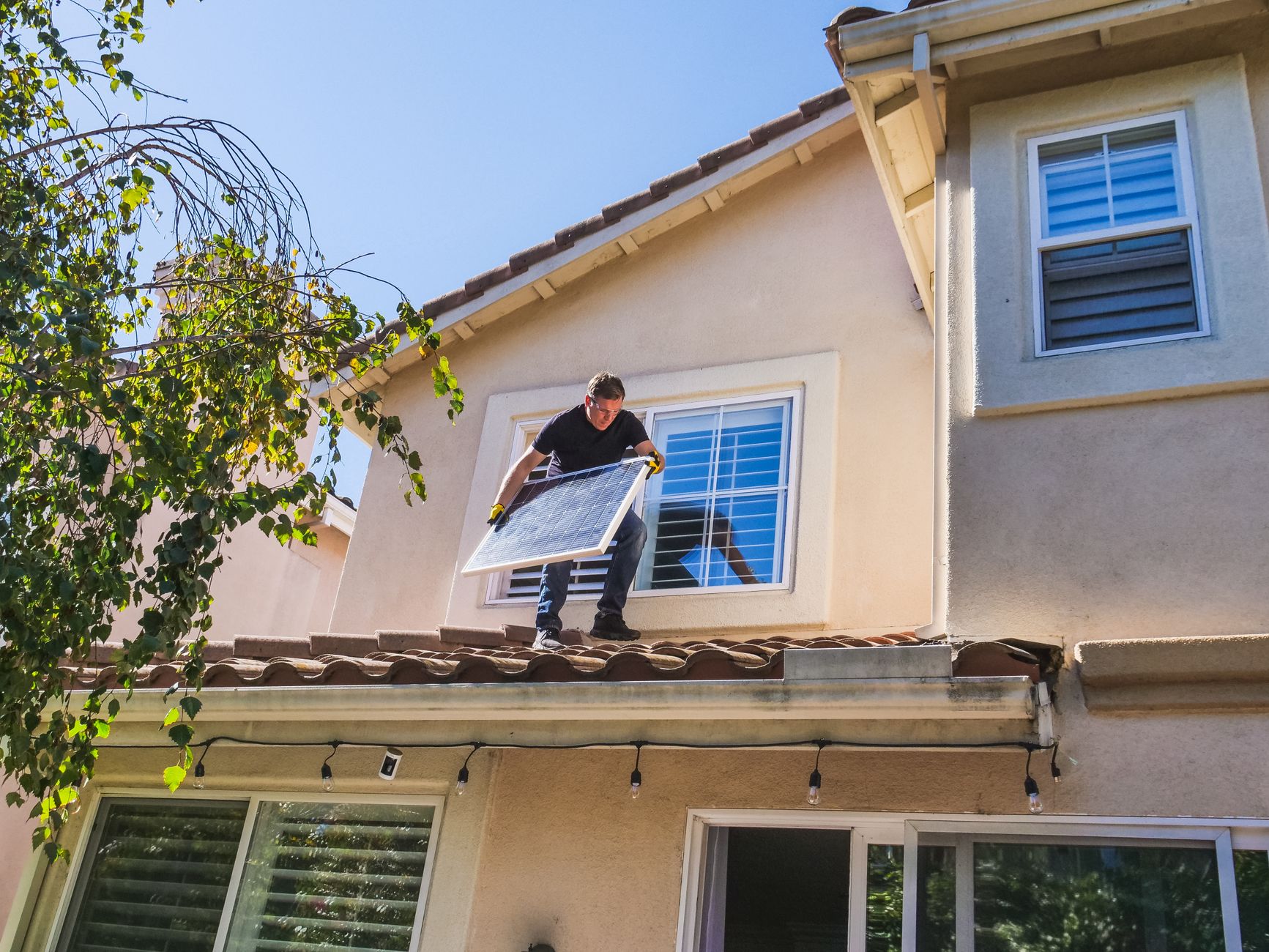
As more homeowners and businesses embrace renewable energy, solar panel installation is becoming an increasingly popular way to reduce energy costs and carbon footprints. The Solar Energy Industries Association (SEIA) reports that over 5 million solar systems will be installed in the United States by 2024, and this number is expected to continue growing.
But before making this investment, it’s essential to ensure that your roof is ready to support your solar panels for decades to come. Upgrading your roof before installing solar panels is a crucial step that can save you money, reduce future headaches, and maximize the lifespan of your solar system. Let’s explore why this upgrade matters and what you can expect from the process.
Why Upgrade Your Roof Before Installing Solar Panels?
Extending the Life of Your Solar Investment
Solar panels typically have a lifespan of 25–30 years, whereas older roofing materials, such as traditional asphalt shingles, may only last 15–20 years. If your roof isn’t in good condition or is nearing the end of its life, it’s smart to replace or upgrade it before installing solar panels.
This prevents costly and complicated removals and re-installations later on. Removing solar panels to replace an old roof can cost thousands of dollars and may even void your warranty if not done correctly. Similar to how policies like the UMH Foundation privacy policy outline important safeguards, upgrading your roof is a form of protection for your long-term solar investment.
Ensuring Structural Integrity
Solar panels add approximately 2.5–3 pounds of weight to your roof per square foot. If your existing roof is weakened by age, leaks, or structural issues, this added load can cause problems such as sagging or water infiltration. Upgrading the roof ensures it can handle the extra weight safely and support the panels securely.
Avoiding Safety Hazards
A damaged or deteriorating roof can compromise both the safety of your home and the efficiency of your solar system. Leaks, loose shingles, or mold can create issues that are much more difficult to fix once solar panels are installed. A new or reinforced roof provides a reliable foundation for solar energy, protecting your home and your investment.
Signs Your Roof Needs an Upgrade
Are you unsure if your roof needs an upgrade? Here are a few telltale signs:
- Leaks or water stains on ceilings and walls
- Cracked, curled, or missing shingles
- Sagging roof sections
- Excessive moss or mold growth
- Your roof is over 20 years old
If you’re experiencing these issues, it’s time to consider a roof replacement or upgrade before proceeding with your solar panel installation.
The Benefits of Roof Upgrades Before Solar Panels
1. Financial Savings in the Long Run
While a roof upgrade adds an upfront cost, it ultimately saves you money. Studies show that removing and reinstalling solar panels for roof work can cost between $1,500 and $6,000. Upgrading your roof beforehand can avoid this expense and ensure you get the full value of your solar system.
2. Improved Energy Efficiency
A new or upgraded roof often includes better insulation and reflective materials. This enhances your home’s energy efficiency, enabling your solar system to operate more efficiently and lower your overall utility costs.
3. Boosted Home Value and Curb Appeal
A new roof not only provides a solid foundation for solar panels but also increases your home’s resale value. According to the National Association of Realtors, homeowners can see an average 61% ROI on a new roof. Pair this with a solar system, and you’re investing in both immediate energy savings and long-term property value.
Choosing the Right Roofing Material
When upgrading your roof, consider materials that complement solar panels well. Metal roofs, for example, are highly durable and can last up to 70 years, outlasting the lifespan of solar panels. Other options, such as composite shingles or tiles, can also be excellent choices, depending on your budget and style preferences.
Steps to Prepare Your Roof for Solar Panel Installation
1. Schedule a Professional Roof Inspection
Before installing solar panels, hire a roofing contractor to inspect your roof’s condition. They can identify any repairs needed and recommend the best upgrade options.
2. Choose a Qualified Roofing Contractor
Work with a licensed, experienced contractor who understands the special considerations of pairing roofing materials with solar panels. They’ll help you choose materials that optimize both roof performance and solar efficiency.
3. Coordinate with Your Solar Installer
Make sure your roofing contractor and solar installer communicate directly. A seamless collaboration between these two professionals ensures your new roof and solar panels integrate perfectly, avoiding future issues.
Conclusion
Solar panel installation in Orlando is a smart move for energy savings and sustainability. But upgrading your roof before you start can make all the difference. From avoiding costly panel removals to boosting your home’s value, a roof upgrade ensures your solar investment remains secure and efficient for years to come.
If you’re ready to leap into solar energy, consider starting with a solid foundation and a safe, sturdy roof that will support your green energy goals for years to come. Your wallet, your home, and the environment will thank you!