
When your water flow drops to a trickle or you hear the tell-tale sound of a pump running continuously, you are suddenly reminded of how much your daily life depends on your private well system. For many, a malfunctioning water system is an urgent, high-stakes event that demands immediate clarity. Understanding how to navigate the process of finding well pump suppliers and securing reliable well pump repair can help you manage these moments effectively, ensuring that your water supply remains consistent and your infrastructure stays protected.
The Challenge of Addressing Well System Issues Early
The primary difficulty in managing a well system is that many signs of trouble are subtle. A pump that is beginning to fail may not stop working entirely right away. Instead, it might cycle on and off more frequently, pulsate during use, or show small changes in water pressure that are easy to overlook. By the time many homeowners acknowledge a problem, the strain on the motor and the electrical system has often compounded, making a simple adjustment much more complex.
The temptation to wait for a total system failure is a common pitfall. However, waiting often turns a minor service issue—like a faulty pressure switch or an air-charged tank—into a major mechanical failure. Because water is essential for sanitation, cooking, and daily tasks, homeowners benefit significantly from approaching their system with a mindset of proactive oversight rather than reactive crisis management.
How the Well Pump System Generally Functions
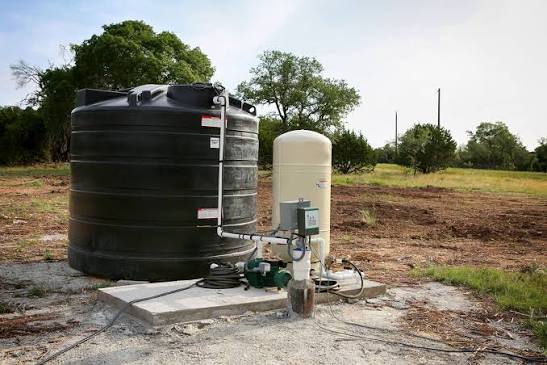
A typical private well system functions as an integrated network rather than a single machine. The process begins deep within the borehole, where the submersible pump—or in some configurations, a jet pump—pushes water up through the drop pipe and into your home’s plumbing.
Between the pump and your faucets sits the pressure tank. This tank is the silent workhorse of the system. It contains a pre-charged air cushion that maintains consistent pressure throughout the house, preventing the pump from having to activate every time you open a tap. The pressure switch acts as the command center; it monitors the pressure within the tank and communicates with the pump to signal when it should turn on to refill the reserve and when it should turn off.
When one part of this loop is compromised, the others compensate, often at the cost of efficiency and equipment longevity. For instance, if the pressure tank loses its air charge, the pump will cycle too frequently, causing unnecessary wear on the motor windings. Understanding this relationship helps you communicate better with service technicians, as it allows you to describe the specific behavior of the system rather than just reporting the loss of water.
Key Factors That Shape Your Repair and Replacement Outcomes
When you reach out to well pump suppliers or seek well pump repair, several variables will influence your experience and the long-term success of the service performed.
First, consider the age and condition of your entire system. If a pump fails, it is often worthwhile to have the technician evaluate the state of the wiring, the integrity of the pipe hanging in the well, and the capacity of your pressure tank. Addressing related components while the system is already accessed can often prevent a second service call for a different part that is near the end of its life.
Second, the quality of the components being installed makes a substantial difference. Not all pump systems are built to the same tolerance levels. High-quality materials, such as specific grades of stainless steel and heavy-duty seals, tend to be more resilient against the mineral buildup or acidity that is common in many local groundwater sources. When you discuss options with a professional, ask about the expected service life and the warranty support associated with the specific models they are recommending.
Finally, the environment of the well itself plays a role. Groundwater chemistry, the depth of the water table, and the consistency of the electrical supply to your property all affect how long your pump will last. A thoughtful technician will take these factors into account when suggesting a replacement, ensuring the new hardware is appropriately matched to your unique geological and operational needs.
Practical Ways to Approach Well System Maintenance and Repair
The most effective way to handle well pump repair is to be as prepared as possible before a total failure occurs. Start by keeping a record of your system’s specifications, such as the pump depth and model information, if it is available. Having this information readily accessible can speed up the diagnostic process significantly when you call a professional.
When you need to find a provider, look for professionals who emphasize transparency in their diagnostic process. A technician who takes the time to explain what they are testing—whether it is the voltage at the pressure switch, the draw of the motor, or the condition of the bladder in your tank—is generally a more reliable partner.
You should also pose questions about how they handle emergency versus routine services. Many well service companies provide priority scheduling for existing clients who have had their systems inspected annually. This relationship can provide peace of mind, knowing that if you do experience a sudden loss of water, you have a provider who is already familiar with your equipment.
Questions to Ask a Professional
To better understand your options, consider asking the following during your next consultation:
- What does a comprehensive system check-up typically include?
- Are there signs in the current system that suggest I should budget for a component replacement in the near future?
- How do you determine the appropriate pump size and tank capacity for a household’s specific water demand?
- What steps can I take to monitor the system’s performance on my own between professional visits?
By maintaining a clear line of communication with a professional who understands the local water table and common infrastructure challenges, you move from simply reacting to plumbing emergencies to proactively managing one of the most vital utilities in your home. Taking the time to build this relationship now provides a stable foundation for your water supply, helping you avoid the stress of a sudden, total system shutdown when you least expect it.