
Understanding the differences among plumbing pipes helps homeowners avoid costly repairs and stay compliant with building codes. From copper to plastic, each material serves a specific purpose, and knowing when to use each type can prevent leaks, corrosion, and other problems.
Common plastic pipes and their uses
PVC (polyvinyl chloride) is the most recognizable plastic pipe. It carries wastewater and sewer gases in both residential and commercial settings. “This is the most common and usually pictured in mind when people think of plumbing pipes. It’s commonly used for both sewer and wastewater lines,” explains Travis Hargrave, plumber and owner of Hargrave’s Plumbing. PVC’s strengths lie in its durability, low cost, and ability to function indoors, outdoors, and underground. It cannot tolerate high temperatures, limiting its role to gravity‑fed drain, waste, and vent (DWV) systems as well as below‑ground irrigation.
PEX (cross‑linked polyethylene) is primarily used for carrying hot and cold water throughout the home. “This is arguably the most common water pipe installed in new homes nowadays,” notes Hargrave. PEX is color‑coded—blue for cold water, red for hot—and connects with compression rings that require a special tool. There are three main types: PEX‑A is very flexible but less durable; PEX‑B balances flexibility and durability; and PEX‑C is stiff but suitable for quick repairs. PEX can be vulnerable to rodents, so in areas with rodent problems a different material may be preferable.
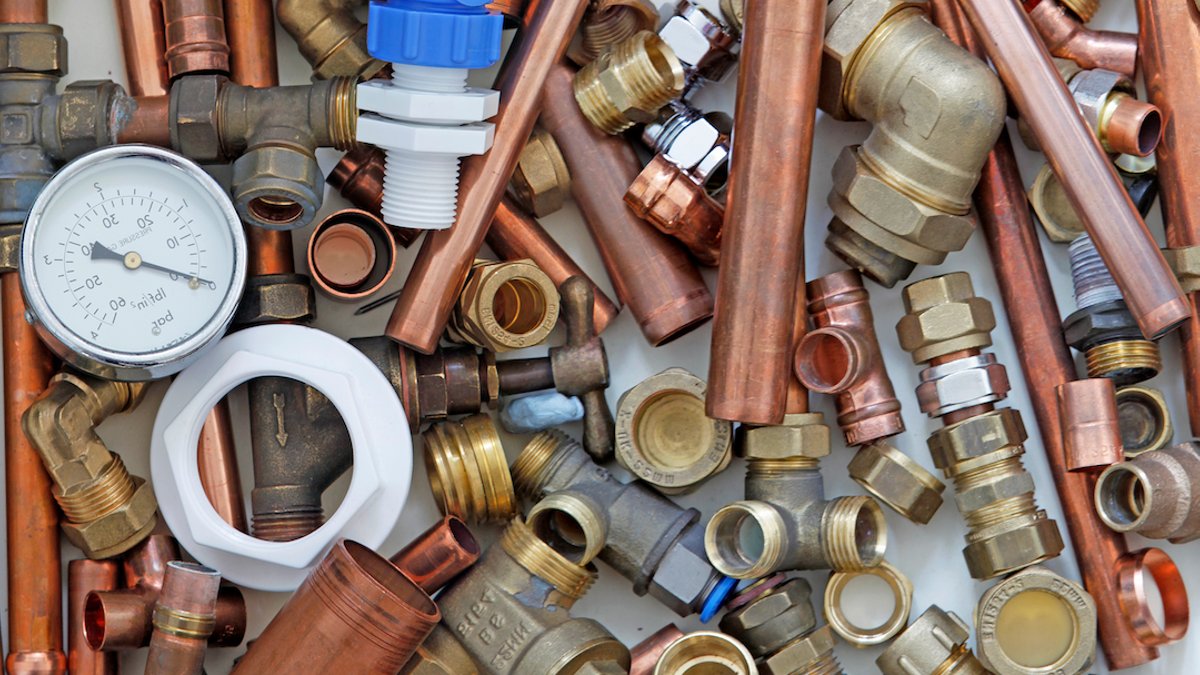
Copper remains a benchmark for main water supply lines, bathroom fixtures, and exposed pipework. Its durability, corrosion resistance, and longevity make it a premium choice, though it is more expensive than plastic options. Copper must be soldered or fitted with compression connections, which can be challenging for inexperienced DIYers.
Related: Top 5 Leaf Peeping Spots With Great Landmarks
Metal pipes and specialty materials
High‑density polyethylene (HDPE) has been in service since the 1950s and is still widely used for underground water mains. Its flexibility and resistance to cold weather make it ideal for municipal water mains, though it cannot endure high temperatures.
Polybutylene, once marketed for hot and cold water lines, was discontinued after widespread failures. Its propensity to become brittle and leak led to a shift toward more reliable plastics like PEX.
While many of these materials are still encountered in older properties, modern construction favors plastic pipes for most interior water distribution and metal pipes for specialized or high‑temperature uses.
Compared with earlier decades, today’s plumbing codes place greater emphasis on corrosion‑resistant and low‑toxicity materials. This shift mirrors broader trends in building safety, where the long‑term health impacts of pipe leaching have driven stricter standards. Homeowners renovating older homes often replace legacy metal pipes with newer plastics to meet these expectations.
Choosing the right pipe for your project
If you are repairing a drain line, PVC will likely be the most appropriate choice. For hot‑water supply, copper remains the gold standard, albeit at a higher price point.
Related: Marseille Villa Draws on Formula 1 Style
When durability and heat resistance are essential, copper is often preferred. For underground water mains, HDPE is the material of choice due to its flexibility and resistance to ground movement.
Homeowners should also consider the risk of rodent damage when selecting PEX, as its susceptibility can lead to premature failure. In such cases, a metal pipe or a different plastic may provide a more secure solution.
Choose wisely for lasting performance.
Ultimately, matching pipe material to its intended function—whether carrying waste, potable water, or gas—helps ensure system longevity and reduces the likelihood of emergency repairs.