
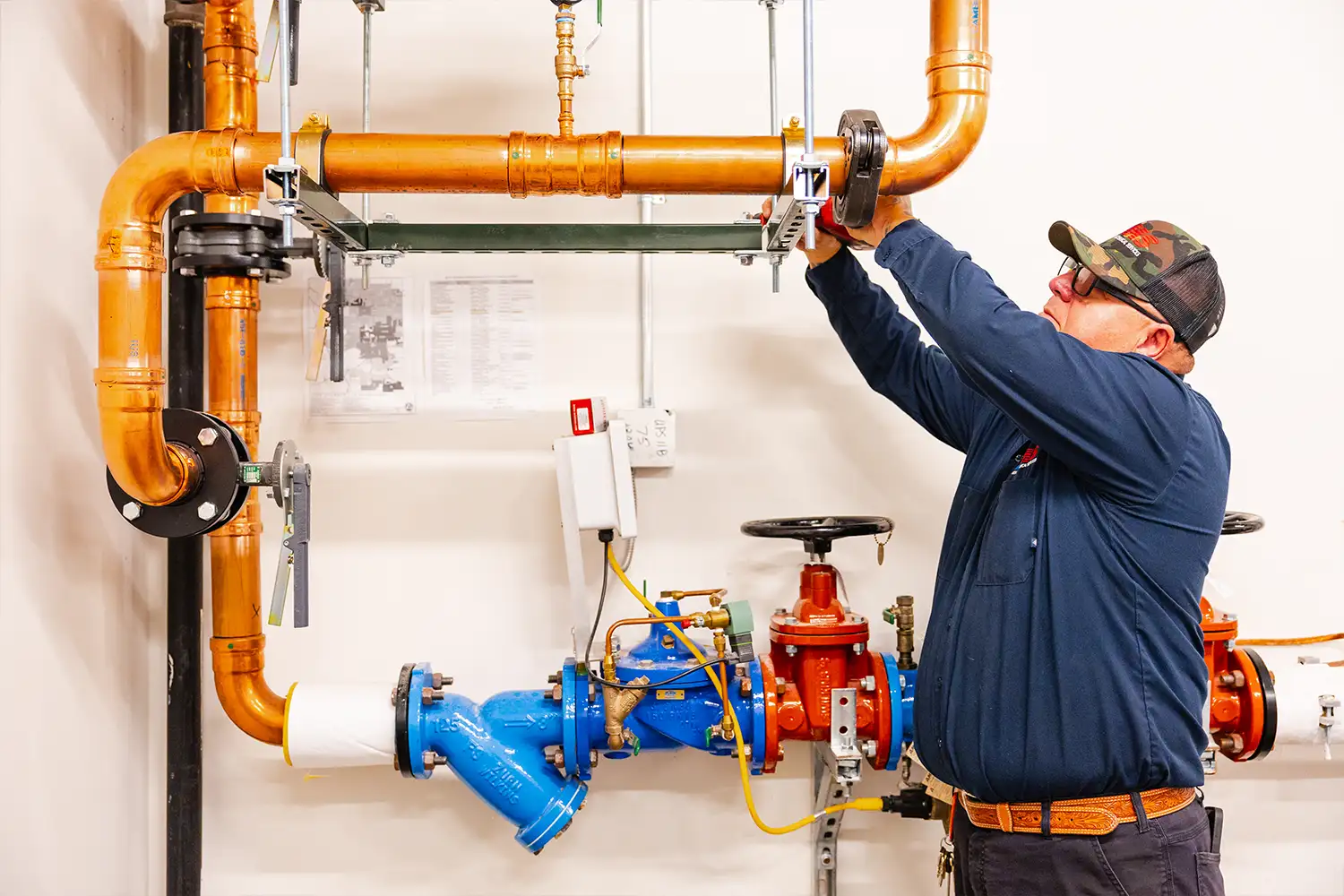
It is a common assumption among property managers and business owners that plumbing is largely a reactive utility. The prevailing thought often goes like this: if the water is flowing and the drains are clear, the system is performing as it should. This perspective suggests that maintenance is only necessary when a failure occurs, leading many to treat plumbing as an emergency expense rather than a managed asset.
However, the reality for commercial properties in a high-growth environment is far more nuanced. Large-scale buildings rely on intricate, interconnected networks that are subject to constant stress from usage patterns, environmental factors, and the natural degradation of materials over time. Viewing these systems through the lens of continuous, preventive oversight rather than sporadic repair often distinguishes well-run facilities from those facing recurring disruptions.
Why the reactive approach often falls short in modern commercial buildings
Relying on a break-fix cycle creates significant operational vulnerability. In a commercial setting, a plumbing issue is rarely confined to a single fixture. Because commercial systems often share main lines, vertical stacks, and high-capacity drainage routes, a minor blockage in a breakroom or restroom can signal a deeper restriction in the building’s primary infrastructure.
When maintenance is deferred until a system fails, the resulting disruption often requires more invasive measures. A small, manageable issue that could have been addressed with routine drain cleaning might evolve into a multi-floor closure, potential water damage to structural elements, or the need for emergency service calls that bypass necessary, thorough diagnostics. Furthermore, the administrative burden of handling unexpected plumbing crises can detract from the primary focus of property management, shifting resources away from proactive facility improvements toward troubleshooting.
Factors that influence the longevity and health of commercial plumbing systems
The longevity of a commercial plumbing system is influenced by several variables that are often overlooked until they reach a tipping point. Understanding these factors allows for a more intentional approach to facility management.
The impact of daily usage patterns
Commercial buildings experience distinct cycles of high demand. For instance, facilities with heavy public traffic or dense office occupancy often see concentrated periods of fixture usage. This can lead to a buildup of organic material and debris that, if not addressed through consistent maintenance, slowly restricts flow capacity. Over time, this cumulative restriction places extra strain on the entire system, potentially stressing seals, joints, and pipe connections throughout the facility.
Environmental considerations for local infrastructure
Property owners in this region must account for the specific characteristics of the local water supply and the building’s physical environment. Variation in water quality can sometimes contribute to mineral accumulation within pipes. Additionally, buildings situated in areas with shifting ground conditions or fluctuating external temperatures may experience subtle structural movements that can affect underground sewer lines. While these are common considerations for any facility, they highlight the value of having a professional assessment to understand how a specific building’s design interacts with its surroundings.
How to distinguish between surface-level maintenance and systemic reliability
For those tasked with overseeing property health, identifying the difference between temporary fixes and long-term reliability is essential. A superficial approach might focus solely on clearing a single drain, while a comprehensive strategy seeks to understand why the drain became obstructed in the first place.
When engaging with commercial plumbing contractors in Denver, it is useful to prioritize providers who emphasize diagnostics. A thorough contractor typically begins by evaluating the state of the pipes using specialized equipment, such as diagnostic cameras, to assess the interior condition of the lines. This information-led approach allows for targeted interventions rather than generalized solutions.
A provider committed to systemic reliability will typically:
- Use diagnostic tools to document the condition of high-traffic lines.
- Discuss the specific history of the facility’s plumbing performance.
- Offer a maintenance schedule tailored to the building’s actual usage, rather than a one-size-fits-all timeline.
- Provide clear explanations regarding the health of aging infrastructure and potential areas for improvement.
This shift from troubleshooting to monitoring allows management to predict potential failures and budget for upgrades or repairs during planned intervals, rather than during a crisis.
Reframing the relationship between property management and plumbing services
The most effective way to think about plumbing is as a component of the building’s overall health, similar to electrical or mechanical systems. Just as a building undergoes routine inspections for fire safety or HVAC efficiency, the plumbing system benefits from a regular cadence of review.
This mindset changes the nature of the partnership with plumbing professionals. Instead of calling for a one-off visit, property managers can cultivate a relationship with contractors who know the layout and quirks of their specific buildings. This continuity of knowledge means that when an issue arises, the resolution is informed by a history of the system’s performance.
By prioritizing proactive engagement, owners of commercial properties can shift their focus from the volatility of emergency repairs to the stability of a well-maintained facility. The goal is to create a predictable environment where the plumbing system operates reliably, supporting the daily activities of the building without becoming a source of unplanned stress or expenditure. Ultimately, the transition from viewing plumbing as a liability to managing it as an asset is a fundamental step in ensuring the long-term utility and value of any commercial space.