
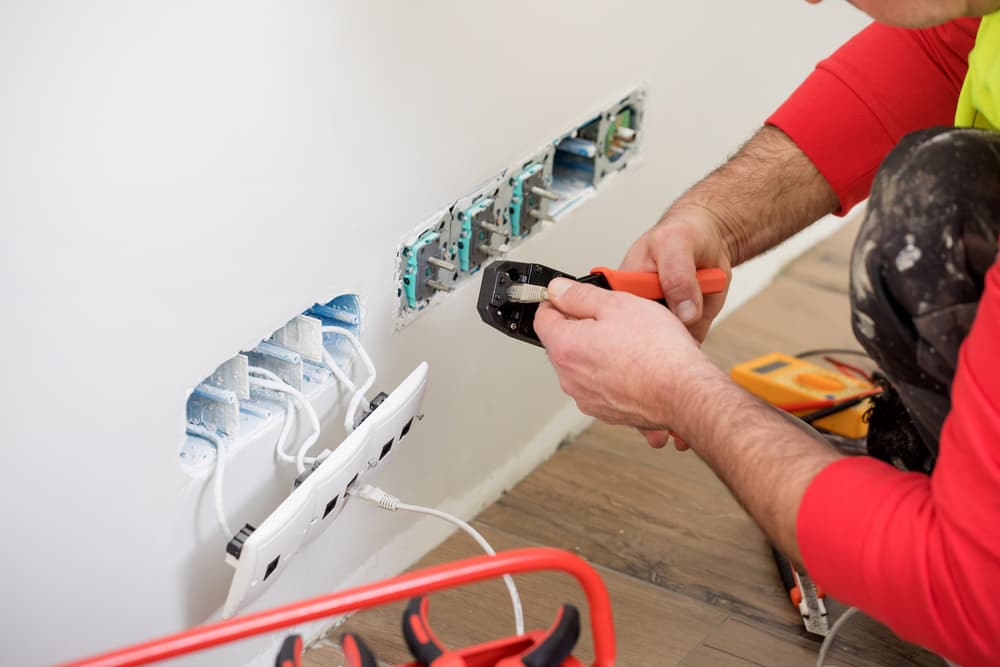
Maintaining the electrical infrastructure of a house is a task that typically unfolds in stages. Much like the foundation of a home or the health of its plumbing, the electrical system is meant to be a reliable, long-term asset that requires periodic attention rather than sudden, dramatic intervention. For many homeowners, the journey begins when they first occupy a space and realize that the demands of modern living—more devices, higher energy usage, and advanced appliances—may require a fresh perspective on how their home manages power.
Initial Assessments and Setting a Baseline
When first settling into a home, it is common to overlook the electrical panel and its associated circuitry until a minor issue arises, such as a tripped breaker or a flickering light. This is often the point at which homeowners begin to think about home electrical repair as a proactive necessity rather than an emergency-only event. A helpful first step is to establish a baseline understanding of what the home currently supports.
Consider how the current electrical setup handles the total load of the household. If the home has a high number of large appliances running simultaneously, or if there is a desire to add features like a new charging station or updated kitchen lighting, an assessment can provide clarity. Working with a qualified professional to audit the capacity of the panel and the condition of the wiring is a foundational move. It allows for the identification of older wiring materials that may no longer meet modern expectations or circuits that are consistently pushed near their capacity. This phase is less about immediate fixing and more about gathering information to help manage the system safely over the long term.
Observing Changes and Emerging Needs
As time progresses, patterns in how the home uses electricity begin to emerge. It is natural for a household’s requirements to shift; what was sufficient a few years ago might feel strained today. Perhaps a home office has been added, or smart home technology is now standard across every room. These changes place different, often cumulative, demands on the electrical system.
This is the stage where attention to subtle signs of wear or strain becomes vital. For instance, notice if light switches feel warm to the touch or if outlets seem loose when plugging in appliances. Pay attention to whether certain circuits frequently become overloaded when specific combinations of items are used. These are not necessarily signs of an immediate crisis, but they serve as indicators that the system is being tested. When these signs appear, seeking a best electrician near me can facilitate an informed evaluation of whether those specific areas need an upgrade or if the system simply requires better load distribution. Approaching these observations as early warnings can prevent more significant, inconvenient issues from developing later.
Identifying When Professional Adjustment is Needed
At certain intervals, it becomes clear that simple maintenance is no longer sufficient and that specific adjustments are required to keep the home running efficiently and safely. This often happens during home improvement projects or as a result of simple aging within the home’s infrastructure.
When a project involves opening walls for renovations or updating lighting fixtures, it provides an ideal opportunity to address underlying electrical concerns. A professional can help ensure that new installations align with current practices for circuit protection and grounding. Furthermore, if a homeowner feels they are constantly managing the system—such as needing to rotate what is plugged in to avoid tripping a breaker—it is a strong signal that a more systemic upgrade is due. Rather than viewing these needs as frustrations, consider them an evolution of the home’s capability. A consultation during this period can help determine if a service upgrade, additional circuit installation, or updated fixture wiring would provide the stability and convenience required for the household’s lifestyle.
Sustaining Performance and Safety Over the Long Term
The ultimate goal of long-term electrical management is to create an environment where the system performs reliably in the background, without requiring constant concern. This is achieved by moving away from reactive repairs toward a mindset of consistent, incremental care.
Sustainability in an electrical system involves regular check-ins. Just as you might monitor the exterior of a home for painting needs or the HVAC system for filter changes, periodically revisiting the electrical panel and major power distribution points can offer peace of mind. Keeping the panel area accessible, ensuring labeling for all breakers is clear and accurate, and occasionally confirming that ground-fault circuit interrupter outlets are tested can go a long way in maintaining safety.
Developing a relationship with a skilled provider who understands the history of your home’s electrical setup makes this process much smoother. When a trusted professional is familiar with the nuances of your wiring and previous updates, they can offer more relevant guidance on what should be prioritized next. By treating the electrical system as a dynamic part of the home that grows and changes alongside the family, you ensure that the infrastructure remains an asset rather than a liability. This long-term perspective on home electrical repair shifts the focus from fixing what is broken to ensuring that the entire system remains a stable, dependable foundation for everything else that happens within the home. The effort put into these deliberate, thoughtful steps today helps to preserve the integrity of the home for the future.