
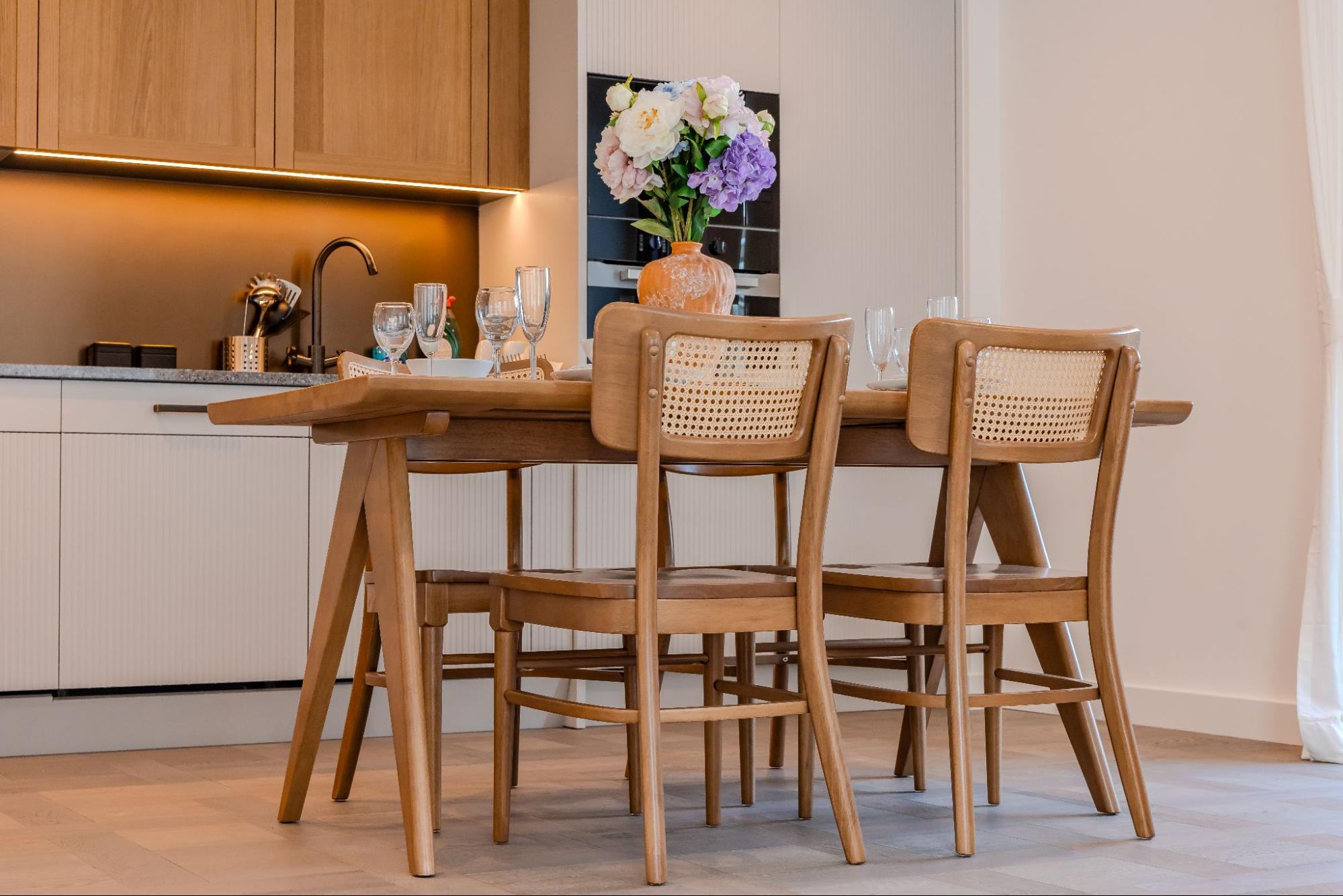
The process of furnishing a living space often unfolds in stages. It rarely happens all at once; instead, it develops over time as you identify how different rooms function in your daily routine. By viewing your home as a collection of spaces that serve specific needs, you can approach the selection of dining room furniture and living room furniture with a sense of clarity rather than feeling overwhelmed by the endless options in the marketplace.
Assessing Your Needs Before Starting
Before you look at styles or finishes, it is helpful to think about the primary purpose of each space. For many people, the living room is a hub for relaxation and social interaction. Consider how your family uses this area—do you prioritize comfort for evening gatherings, or do you need a layout that accommodates occasional remote work?
Similarly, when evaluating dining room furniture, consider the frequency and nature of your meals. A formal arrangement might suit a space used primarily for hosting, while a more durable, flexible setup might be better for an active household where the table serves as a workspace or a central hub for daily activities. By clarifying these habits, you create a framework for choosing pieces that will provide long-term utility rather than just aesthetic appeal.
Navigating the Evolution of Your Home
As your living situation changes, so too will your needs. It is common for homeowners to start with foundational items—a comfortable sofa for the living area or a sturdy table for dining—and layer in additional pieces as their lifestyle dictates. This progression allows for a more cohesive design over time.
When adding to your collection of living room furniture, think about how new pieces interact with those you already own. Does a new armchair complement the existing sofa’s scale and fabric? When adding to your dining room furniture, consider if new chairs will fit comfortably beneath the table without creating a cluttered environment. Observing how a space feels as it evolves is a reliable way to make decisions that avoid visual chaos.
Signs of Progress and Adjustments
You may find that some items do not serve the purpose you originally intended. This is a normal part of the process. If a specific piece of dining room furniture makes the area feel cramped or difficult to navigate, it may be time to rethink the layout. Similarly, if your living room furniture arrangement hinders movement through the home, even minor adjustments—such as shifting a console table or reconsidering the placement of a coffee table—can significantly improve the flow.
Pay attention to how materials wear over time. Quality pieces generally age in ways that reflect their use, but being mindful of maintenance early on can preserve the integrity of your selections. If you notice signs of stress on joints or fabrics, it often suggests that the piece is seeing more intensive use than expected, which might inform your future choices for replacements or additional items.
Sustaining Results Over the Long Term
The most successful home design strategies are those that prioritize balance and durability. Rather than chasing fleeting trends, focus on pieces that offer timeless construction and versatility. When selecting dining room furniture, look for designs that offer comfort for extended conversations and materials that can withstand regular cleaning.
In your living areas, the longevity of your living room furniture is often determined by the quality of the frame and the density of the cushioning. A piece that feels supportive and sturdy is often a better long-term investment than one that prioritizes visual flair alone. Maintaining these items through regular cleaning and by being mindful of how they are used ensures that your home continues to feel both functional and welcoming.
The long-term picture of your home should be one of comfort and intentionality. As you continue to refine your space, remember that each item serves as a component of your daily experience. By focusing on how these pieces work together to support your lifestyle, you create an environment that feels cohesive and prepared for the many ways your life may develop in the years ahead.