
A well-designed bathroom vanity can turn a functional space into a beautiful focal point. To achieve this, designers consider several key elements, including materiality, placement, and styling. According to the designers behind some of the best bespoke examples, creating a statement bathroom vanity requires careful consideration of the space and the desired aesthetic.
Unique Vanity Designs
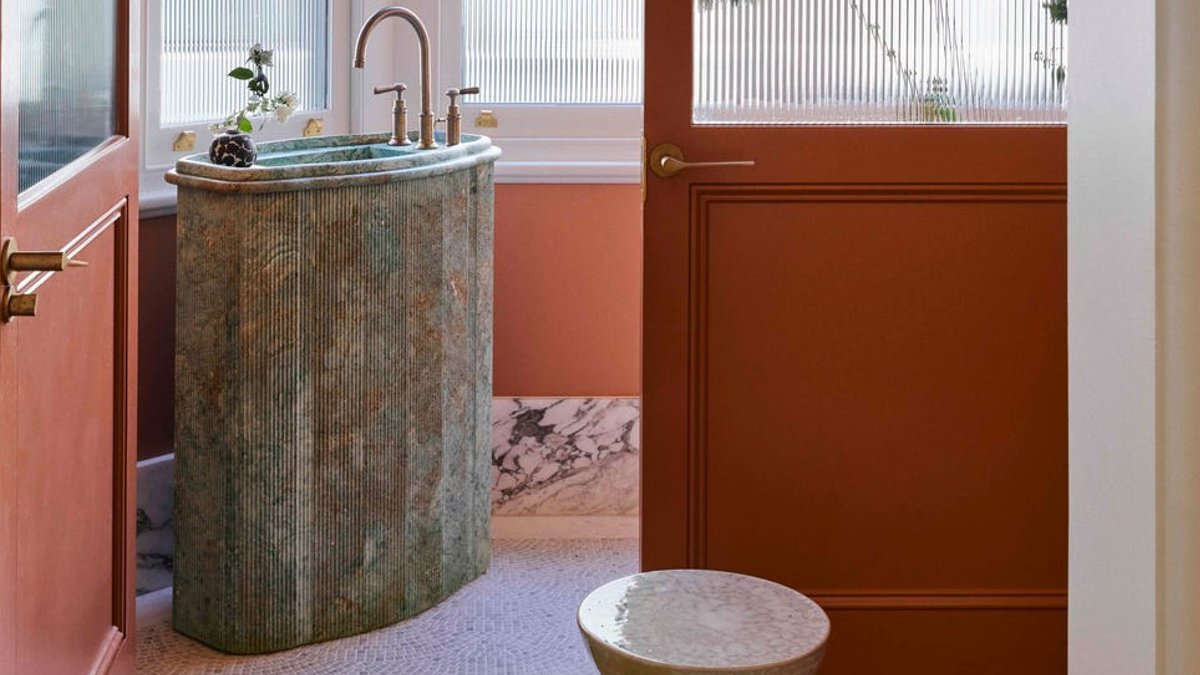
Arent Pyke, a design firm, created a freestanding vanity for a Federation arts-and-crafts-style home using turquoise granite with accordion bands hand-chipped into its surface. The undulating form and bullnose lip were inspired by the classical heritage detailing of the property. This unique design element adds visual interest to the space and creates a sense of harmony.
Materiality and Placement
When designing a bathroom vanity, materiality and placement are essential considerations. Handelsmann + Khaw, a design firm, chose a blue-toned polished plaster for a family home in Bondi Beach, creating a calm and monolithic feel. The fringed linen skirt introduces warmth, texture, and a touch of playfulness, concealing the services below without restricting access. This design approach ensures the vanity feels integrated with the architecture.
Child Studio, another design firm, carved a vanity from solid Verde Guatemala marble, allowing the forms to flow into the walls and floor. The gentle curves were important to the designers, who introduced softened geometry throughout the home. This attention to detail creates a sense of craftsmanship and precision.
Proportion and Decoration
Proportion is more important than decoration when it comes to designing a bathroom vanity. Róisín Lafferty, a designer, created a bespoke vanity for Colt Manor, a country estate in Dublin, using Breccia Viola marble and a bespoke brass frame. The scale of the vanity needs to be balanced, as it is the visual center of the room. A clutter-free vanity is not always practical, but trays can help organize toiletries into a tidy, curated cluster.
Leyden Lewis Design Studio designed a concrete vanity for a private house, creating a muscular and sculptural form that feels as though it was poured or carved directly from the space. The intention was to make it feel grounded and permanent, with a natural, organic quality. This design approach emphasizes the importance of considering the overall aesthetic of the space when designing a bathroom vanity.
Paul Conrad Architects conceived a double-sided vanity as a singular sculptural element, defining the bathing, showering, and dressing areas while allowing the layout to remain open. The Calacatta Viola marble was chosen for its depth and movement, with the burgundy veining carefully aligned to reinforce the impression of it being carved from a single block. This design creates a sense of lightness and visual interest.
Bryan O’Sullivan Studio designed a bathroom for an 11-bedroom family home in East Hampton, using Patagonia Green marble and a polished-nickel hexagonal-legged frame. The console was deliberately detailed to feel cleaner and more streamlined than a traditional vanity. This design approach ensures the vanity contributes to the calm and restorative atmosphere of the bathroom.
YSG Studio designed a tiny bathroom with an oversized vanity made from Crema Khrusos marble, which has a gentle buttery glow and expressive markings. The vanity was extended to the floor on an angled plane with recessed step detailing, creating a sense of generosity and richness. This design approach shows that even in small spaces, a well-designed vanity can make a big impact.
Related Post: Six Tips for Budget Home Styling
Functional and Aesthetic Needs
Studio Bosko designed a kids’ bathroom in a penthouse in Berlin, using oak lacquered in an electric shade of red and paired with a thick top layer of Brescia marble. The vanity needed to be practical, providing enough storage and counter space, while also being fun and aesthetically pleasing. This design approach highlights the importance of considering the needs of the users when designing a bathroom vanity.
A well-designed bathroom vanity can be a beautiful and functional element in a bathroom. By considering materiality, placement, proportion, and decoration, designers can create a statement piece that enhances the overall aesthetic of the space. As designers note, a clutter-free vanity is not always practical, but with the right design elements, it can be both functional and beautiful, with the end of the tap’s spout sitting well within the basin to prevent water from splashing about.
For instance, in a kids’ bathroom, the vanity should be practical and fun, providing enough storage and counter space. In a guest bathroom, the vanity should make an immediate impact on entry, creating a sense of calm and serenity. The material palette and styling of the vanity can greatly contribute to achieving this goal, as seen in the use of turquoise granite and accordion bands hand-chipped into its surface in Arent Pyke’s design.
In addition to materiality and placement, the scale and visual weight of the vanity are also critical. A well-designed vanity should feel grounded and permanent, with a natural, organic quality that acknowledges imperfections and natural patina. This can be achieved through the use of concrete, as seen in Leyden Lewis Design Studio’s design, or through the careful selection of marble, as seen in Paul Conrad Architects’ double-sided vanity. The way the vanity sits within the room’s views can also change how the room is perceived, making it essential to consider the vanity’s design from multiple vantage points.
Creating a Sense of Calm and Serenity
Creating a Calm Atmosphere
To create a sense of calm and serenity in the bathroom, designers often incorporate elements that promote relaxation and tranquility. For example, Bryan O’Sullivan Studio’s use of Patagonia Green marble and a polished-nickel hexagonal-legged frame creates a clean and streamlined look that contributes to a calm atmosphere. Similarly, YSG Studio’s oversized vanity made from Crema Khrusos marble brings a sense of stature and richness to the bathroom, while also providing a generous and streamlined design that keeps the top of the vanity clear.
Incorporating a niche between the basin and mirror can also help keep the top of the vanity clear, allowing items to remain close while maintaining a sense of calm and serenity. This design approach, as seen in Bryan O’Sullivan Studio’s work, can help create a sense of visual balance and harmony in the bathroom. By carefully considering the materiality, placement, and styling of the vanity, designers can create a beautiful and functional element that enhances the overall aesthetic of the space and promotes relaxation and tranquility.
The attention to detail in designing a bathroom vanity is evident in the way designers consider the smallest elements, such as the end of the tap’s spout sitting well within the basin to prevent water from splashing about. This level of attention to detail can make a significant difference in the overall user experience, creating a sense of comfort and practicality that is essential in a bathroom. By prioritizing both form and function, designers can create a bathroom vanity that is not only beautiful but also highly functional and enjoyable to use.
They prioritize the needs of the users and the overall aesthetic of the space, ensuring that the vanity is both functional and beautiful. The designers’ attention to detail and commitment to creating a sense of calm and serenity in the bathroom result in a space that is both relaxing and rejuvenating.